
Black mold is something that many people fear in their homes. It is not just about the ugly, dark patches you see on walls or ceilings. Black mold can cause health problems, damage your house, and cost you much money to fix if you ignore it.
But what should you do if you start to see black mold symptoms? Should you try to clean it yourself, or is it better to call a professional? Here you will understand the signs of black mold, what researchers have learned about its risks, and why professional help is often the safest choice.
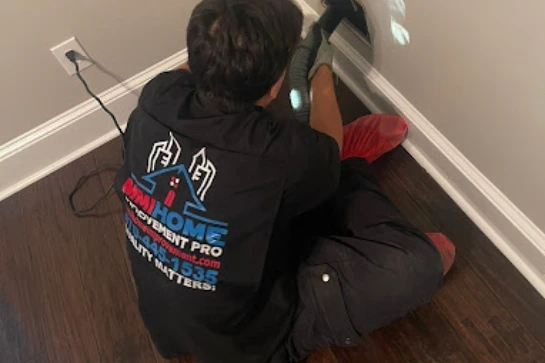
If you live in Smyrna or nearby areas, it’s smart to book an appointment for mold air duct cleaning in Smyrna to improve your indoor air quality. One of the most trusted companies you can call is MMI Home Improvement Pro, known for thorough cleaning and professional service.
What Is Black Mold?
Black mold, known by scientists as Stachybotrys chartarum, grows in damp areas. It likes to live on things like drywall, wood, carpet, and ceiling tiles. It can start growing within 24–48 hours after a water leak or flood.
The Centers for Disease Control and Prevention (CDC) says black mold can produce tiny chemicals called mycotoxins. These toxins can make people sick, especially if they breathe them in over time.
Researchers have found that people who spend much time in moldy environments may have more breathing problems, skin irritation, and headaches. A 2017 report in the Journal of Occupational and Environmental Hygiene showed that people exposed to mold indoors often report coughing, wheezing, and eye irritation.
Black Mold Symptoms to Watch For in Your Home
It’s important to know how to spot black mold symptoms early so you can stop it before it spreads. Here are signs to look out for:
Musty or earthy smell
A strong, stale odor is often the first clue that mold is hiding somewhere.
Dark patches on walls or ceilings
Black or dark green spots that look slimy or damp may be moldy.
Peeling paint or wallpaper
Mold behind walls can make paint bubbles or peel.
Water stains or discoloration
Yellow or brown stains can mean there is moisture behind the wall.
Warped surfaces
If walls feel soft or warped, mold may be growing below.
If you notice any of these black mold symptoms, you should act quickly. Mold spreads fast if the moisture problem is not fixed.
Bad Health Symptoms of Black Mold Exposure
Black mold can harm your health, especially if you already have allergies, asthma, or a weak immune system.
Here are some common health problems linked to black mold:
- Coughing and sneezing
- Red, itchy eyes
- Skin rashes
- Runny or stuffy nose
- Headaches
- Tiredness
According to a study published by the Institute of Medicine in 2004, indoor mold exposure is linked to upper respiratory problems in otherwise healthy people. The World Health Organization has also reported that mold increases the risk of asthma in children.
If you or your family feel sick without a clear reason, black mold could be the cause.
Is DIY Cleaning Safe?
It might be engaging to try to scrub mold yourself. While cleaning a small area (less than 10 square feet) may be safe if you wear protective gear, large patches should be handled by experts.
Here’s why:
Mold spreads easily: Scrubbing mold can release thousands of spores into the air. These spores can land on other surfaces and start growing again.
Hidden mold is hard to reach: Mold often hides behind walls or under floors where you can’t see it.
Health risks increase: Without proper masks and protective suits, you could breathe in harmful spores.
The Environmental Protection Agency (EPA) recommends that professional mold removal companies clean any area larger than 10 square feet.
When to Call a Professional
You should call professional help if:
- The mold covers a large area
If the mold patch is bigger than a bath towel, you need expert help.
- You smell mold but can’t see it
Professionals use moisture meters and special cameras to find hidden mold.
- Your family has health problems
If people are coughing, wheezing, or getting rashes, call an expert right away.
- Mold keeps coming back
If you’ve cleaned before and it still returns, the source of moisture is still there.
What Do Mold Professionals Do?
When you hire a professional mold removal company, they don’t just scrub the surface. Here’s what they do:
Inspection and testing
They look for visible mold and use tools to detect hidden growth. Sometimes, they take air samples to see what kind of mold is present.
Containment
They seal off the area with plastic sheets and use air machines to keep spores from spreading.
Removal and cleaning
They safely remove contaminated materials like drywall or carpet.
Disinfection
They treat surfaces with special solutions that kill mold and stop it from returning.
Drying and repairs
They fix leaks and dry out the area completely.
Prevention advice
They will help you understand what caused the mold and how to prevent it in the future.
What Research Says About Professional Help
Studies have shown that professional mold remediation is more effective than DIY cleaning. A 2012 paper in the Indoor Air journal found that homes cleaned by professionals had much lower mold spore counts weeks later, compared to homes where residents tried to clean on their own.
Another study in the American Journal of Public Health noted that professional mold removal reduces respiratory symptoms in people with asthma. This research supports the idea that investing in professional cleanup is safer and more thorough.
What should we do before professional help?
If you’ve called professionals and are waiting for them to arrive, here are safe steps you can take:
- Close off the room to keep spores from moving to other parts of the house.
- Turn off HVAC systems so mold doesn’t spread through vents.
- Use an air purifier with a HEPA filter to reduce spores in the air.
- Avoid touching or disturbing the mold.
How to Prevent Black Mold From Coming Back
Once professionals remove the mold, you’ll want to stop it from growing again. Here are some simple steps:
Fix leaks quickly: Repair any plumbing or roof leaks as soon as you notice them.
Control humidity
Keep indoor humidity below 50%. Use dehumidifiers if needed.
Use ventilation: Turn on exhaust fans when you cook, shower, or do laundry.
Dry wet areas right away: Never leave damp towels or carpets sitting for days.
Inspect your home regularly: Check basements, attics, and crawl spaces for dampness and mold.
Summary
Black mold is more than just a cosmetic problem. It can damage your home, cause serious health issues, and cost thousands of dollars if you ignore it. If you notice black mold symptoms like dark patches, musty smells, or unexplained health problems, don’t wait. While small spots can sometimes be cleaned carefully, bigger infestations require professional help. Calling experts to make sure the mold is removed safely and completely. You’ll protect your health, your family, and your home for years to come.