Mold can cause serious problems in homes if not handled properly. It not only damages walls and furniture but can also harm your health. Mold grows in damp and dark areas, so it is important to know how to spot, clean, and stop it from spreading. Many homeowners also turn to Mold Removal and Remediation Services for professional help. These services use safe cleaning methods and advanced tools to remove mold completely and prevent it from returning. This complete guide will help you understand everything about Mold Damage Repair and how to keep your home safe and healthy.
What Is Mold and Why Does It Grow?
Mold is a type of fungus that grows in moist places. It spreads through tiny spores that travel in the air and settle on wet surfaces. Common places where mold grows include bathrooms, basements, kitchens, and around leaky pipes or roofs.
If mold is not cleaned early, it can spread fast and cause stains, bad smells, and health problems like allergies, coughing, or breathing issues.
Repairing mold damage requires care and proper steps to ensure it does not return.
Step 1: Identify the Source of Moisture
Mold cannot grow without moisture. Before cleaning, find out where the water is coming from. It could be a roof leak, a broken pipe, or poor ventilation. Fixing this issue first prevents mold from coming back.
Step 2: Wear Protective Gear
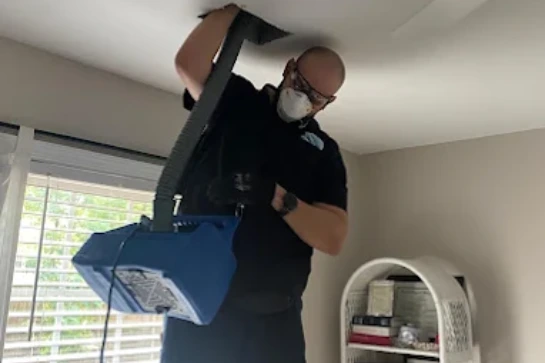
When cleaning mold, wear gloves, a mask, and goggles. Mold spores can irritate your skin and lungs, so safety is important.
Step 3: Isolate the Affected Area
Close doors and windows to keep mold spores from spreading to other rooms. Use plastic sheets to seal off the area if the damage is large.
Step 4: Clean and Remove Mold
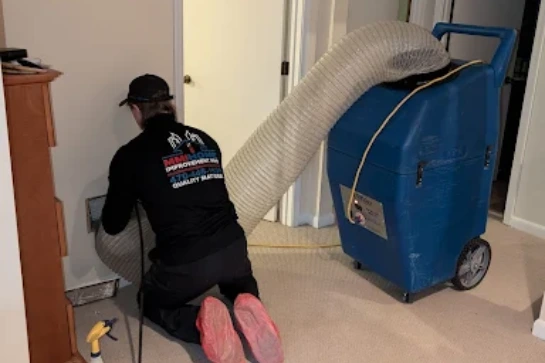
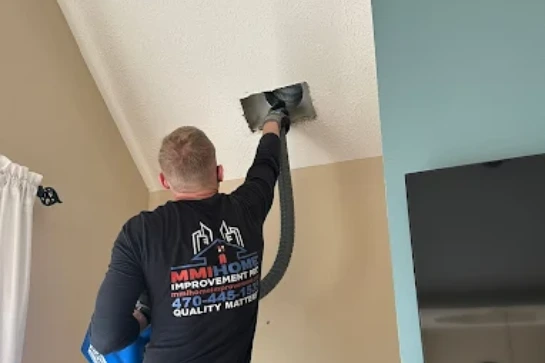
For small areas, mix detergent with water and scrub the mold off surfaces using a brush. If the mold has spread over a large area, call professionals for Mold Damage Repair. They use special tools and cleaners to safely remove mold.
Step 5: Dry the Area Completely
After cleaning, dry the space using fans or dehumidifiers. Mold can grow again if the area stays damp.
Step 6: Replace Damaged Materials
If mold has damaged drywall, carpets, or insulation, replace them. Keeping these materials can cause the mold to return.
Step 7: Disinfect the Area
Use a disinfectant spray to kill any remaining mold spores and prevent new growth.
Preventing Mold Growth in Homes
Once you finish repairing the mold damage, focus on keeping your home mold-free.
Control Humidity: Keep indoor humidity below 50 percent using a dehumidifier.
Improve Ventilation: Use exhaust fans in kitchens and bathrooms.
Fix Leaks Quickly: Repair roof, window, or pipe leaks as soon as possible.
Clean Regularly: Wipe wet surfaces and dry laundry completely before storing.
Use Mold-Resistant Materials: When renovating, use paint, drywall, or flooring designed to resist moisture.
By following these steps, you can reduce the risk of mold returning.
Health Effects of Mold Exposure
Mold can affect anyone, but some people are more sensitive to it. Children, elderly people, and those with asthma or weak immune systems may have stronger reactions.
Common health effects include:
Sneezing and coughing
Headaches
Itchy eyes or skin
Breathing difficulties
If symptoms get worse, see a doctor and make sure your home is properly cleaned.
When to Call a Professional
Sometimes, mold problems are too big to handle on your own. If you notice mold covering a large area (more than 10 square feet), spreading across multiple rooms, or causing strong odors, contact a professional Mold Damage Repair service.
Experts have the right tools, cleaning solutions, and experience to remove mold safely without harming your home. They can also inspect hidden areas, like behind walls or under floors, to ensure all mold is gone.
Benefits of Mold Damage Repair
Proper Mold Damage Repair offers many long-term advantages for your home and health:
Improves indoor air quality by removing mold spores that can cause allergies and breathing issues.
Prevents future property damage by stopping mold from weakening walls, ceilings, and floors.
Keeps your family healthy, especially children, seniors, and those with asthma or weak immune systems.
Maintain your home’s value and appearance, which is helpful if you plan to sell it later.
Reduces bad odors and creates a fresher, cleaner living environment.
Gives peace of mind, knowing your home is safe, dry, and free from harmful mold.
Protects your investment by preventing costly future repairs.
Summary
Mold is a common problem, but it can be controlled with the right care. By spotting early signs, repairing moisture problems, and cleaning affected areas, you can keep your home mold-free.
Professional Mold Damage Repair services can help when the damage is severe. Prevention is always better than cure, so keep your home dry, clean, and well-ventilated. A mold-free home means a safer, healthier place for you and your family.
Summary
Article Name
Complete Guide to Mold Damage Repair and Prevention in Homes
Description
Protect your home with expert Mold Damage Repair tips. Learn how to clean, fix, and prevent mold effectively.