
When people think about heating and cooling their home or building, they often focus on the air conditioner or heater. However, the ducts that carry air are just as important. One common question many homeowners ask is, does a Spiral Duct need to be insulated? The simple answer is that insulation is not always required, but it is often very helpful.
However, if you want the best Mold Air Duct Cleaning in Duluth, contact MMI Home Improvement Pro. Here, you will learn what a spiral duct is, why insulation matters, when insulation is needed, and how it helps save energy and improve comfort.
What Is a Spiral Duct?
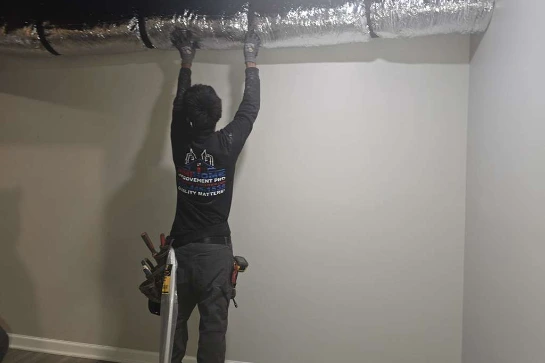
A Spiral Duct is a round metal pipe used in heating and cooling systems. It moves warm or cool air from the HVAC unit to different rooms. The duct is called spiral because it is made by twisting metal into a round shape. This design makes it strong and smooth inside.
Because of its smooth shape, air flows easily through a spiral duct. This helps reduce air noise and improve airflow. Spiral ducts are often used in homes, offices, warehouses, and stores because they last a long time and are easy to install.
Read Also: What is the best method of mold treatment?
Why Insulation Matters for a Spiral Duct
Insulation is a protective layer placed around the duct. It helps control temperature, moisture, and noise. Even though a spiral duct is strong, it can still lose heat or collect moisture if it is not insulated.
Saves Energy
When air travels through an uninsulated spiral duct, it can lose heat in winter or gain heat in summer. This means the air reaching your rooms may not be the right temperature. As a result, your HVAC system has to work harder. Insulation helps keep air at the right temperature, which saves energy and lowers utility bills.
Prevents Moisture and Mold
Warm air moving through a cool duct can cause water droplets to form on the outside of the duct. This is called Condensation. Over time, condensation can lead to mold growth, rust, and water damage. Insulating a spiral duct helps stop moisture from forming and keeps your home safer.
Reduces Noise
Metal ducts can carry sound easily. If your HVAC system is loud, the noise can travel through the duct into rooms. Insulation helps absorb sound and makes your home quieter and more comfortable.
Improves Comfort
Insulated spiral ducts help keep room temperatures steady. Rooms feel warmer in winter and cooler in summer. This makes living and working spaces more comfortable throughout the year.
Read Also: Why Professional Mold Tests Are More Reliable Than Home Kits?
When Does a Spiral Duct Need Insulation?
Not all spiral ducts must be insulated, but many should be. Here are common situations where insulation is recommended.
Ducts in Unconditioned Spaces
If a spiral duct runs through an attic, basement, garage, or crawl space, insulation is very important. These areas are not heated or cooled, so air inside the duct can lose or gain heat quickly.
High Humidity Areas
In humid places, cold air inside the duct can cause condensation on the duct surface. Insulation helps prevent moisture buildup and mold problems.
Energy Efficiency Goals
If you want lower energy bills and better system performance, insulating your spiral duct is a smart choice. It helps your HVAC system work more efficiently.
Noise Concerns
If duct noise is noticeable in your home or building, insulation can help reduce sound travel.
Ducts that are fully inside heated or cooled spaces may not always need insulation. However, even in these areas, insulation can still improve comfort and efficiency.
Types of Insulation Used for Spiral Ducts
There are several insulation options available for a spiral duct. Each type has its own benefits.
Fiberglass Insulation
Fiberglass insulation is very common. It comes in rolls or blankets that wrap around the duct. Also,helps control temperature, moisture, and noise. It is effective and widely used in homes and commercial buildings.
Foam Insulation
Foam insulation is lightweight and easy to install. It works well in small or tight spaces. Foam also helps prevent condensation and keeps the air temperature steady.
Reflective Insulation
Reflective insulation uses a foil surface to reflect heat away from the duct. It is often used in hot areas like attics. While it controls heat well, it does not reduce noise as much as fiberglass.
How to Insulate a Spiral Duct
Insulating a spiral duct should be done carefully to get the best results.
The duct should be clean and dry. Dust and moisture can reduce insulation performance. Next, choose the right insulation based on your space and climate. Wrap or place the insulation evenly around the duct. Make sure there are no gaps. Seal all seams and joints with proper tape or sealant. This prevents air leaks and improves efficiency. Finally, make sure insulation does not block airflow or access panels.
Should You Insulate a Spiral Duct Yourself?
Some homeowners choose to insulate ducts themselves. While this is possible, professional installation is often better. HVAC professionals know how to select the right insulation, apply it correctly, and seal everything properly.
Poor installation can lead to air leaks, moisture problems, and reduced efficiency. Hiring a professional helps avoid mistakes and ensures long-lasting results.
Benefits of Insulating a Spiral Duct
Insulating a Spiral Duct offers many benefits.
- It helps lower energy bills.
- It keeps room temperatures steady.
- It helps prevent mold and water damage.
- It reduces noise from the HVAC system.
- It protects the duct from rust and wear.
These benefits make insulation a good investment for most homes and buildings.
Summary
So, does a Spiral Duct need to be insulated? While it may not be required in every situation, insulation is highly recommended in most cases. It helps save energy, improves comfort, prevents moisture problems, and reduces noise. Ducts in attics, basements, and humid areas should always be insulated. Even ducts inside living spaces can benefit from added protection. If you want better air flow, lower bills, and a healthier indoor environment, insulating your spiral duct is a wise choice. Proper insulation helps your HVAC system work better and keeps your home comfortable all year long.