Air quality is important for our health and well-being. An air sample test helps check for harmful particles or chemicals in the air, keeping our environment safe. Knowing how this test works can help you maintain good indoor air quality.
What Is an Air Sample Test?
An air sample test or Indoor Air Quality Testing is when professionals take air samples from a specific area to check for harmful particles or chemicals. This test helps find things like mold spores, dust, or gasses that may be present in the air. It provides a clear picture of what’s in the air you breathe and helps to address any health risks. You should perform IAQ testing as soon as you notice Symptoms of breathing poor air quality.
Types of Sample Tests
Different types of sample tests exist, and each checks for specific pollutants:
Particle Testing: This test checks for small particles such as dust, pollen, or mold spores. Professionals use special tools to collect and test these particles in a lab.
Chemical Testing: This test looks for harmful gasses like carbon monoxide, radon, and chemicals from products used in the home. These gasses can be dangerous if not managed properly.
Steps Involved in an Air Sample Test
Here’s how an air sample test usually works:
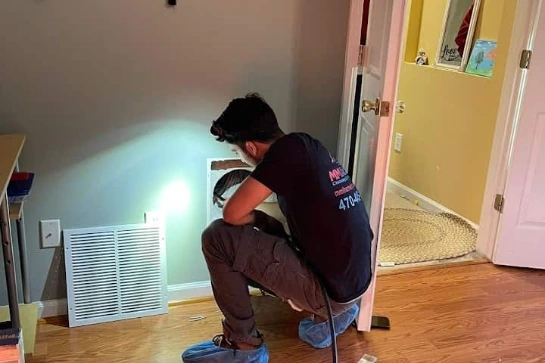
Inspecting the Area
The technician first checks the space to find any possible sources of pollution, such as mold spots or chemicals. They then choose the best places to take the air samples.
Setting Up the Tools
Depending on what they are testing for, the technician sets up different tools. For particle testing, they use air pumps and filters. For chemical testing, they may use detectors that check-up gas levels.
Collecting Air Samples
The technician collects air samples from different spots. They often test both indoor and outdoor air for comparison. The collection may take 15 minutes or several hours.
Testing in the Lab
Once the air is collected, the samples are sent to a lab for detailed testing. Experts use special equipment to measure what’s in the samples and see if anything harmful is present.
Explaining the Results
After testing, the lab provides a report. Professionals compare the results to safety standards and suggest actions if the levels are too high.
Sample Tests are necessary to keep indoor spaces healthy. Without testing, harmful things in the air might go unnoticed and cause health issues. Here are some reasons why these tests matter:
– Finding Pollutants
An air sample test shows if things like dust, mold, or harmful gasses are in the air. This helps you fix the problem effectively.
– Improving Air Quality
Tests help you understand and improve air quality by finding issues early. Fixing them prevents bigger problems later.
– Preventing Health Problems
Bad air quality can cause allergies, asthma, or other breathing problems. Sample Tests help prevent these by making sure that the air stays clean.
How to Get Ready for an Air Sample Test
Preparing for an air sample test helps make sure the results are accurate. Here’s how to get ready:
Tell the Technician About Any Concerns
Let the technician know if you suspect a problem like mold or fumes. They can focus on those specific areas during the test.
Clear the Area
Make sure the technician has access to areas where samples will be collected. Move items that could be in the way.
Avoid Creating New Pollutants
Don’t smoke or use strong cleaners before the test, as these will affect the results.
How Long Does a Test Take?
The time needed for an air sample test depends on the area size and the type of testing. Collecting samples usually takes 30 minutes to a few hours. However, more complex tests, like checking for multiple pollutants, may take longer.
When the samples go to the lab, the analysis can take several days. It depends on what the lab is looking for and the tools they use.
Who Should Do an Air Sample Test?
Professionals trained in air quality should perform these tests. They have the knowledge and equipment needed to get accurate results. Certified experts also advise on improving air quality if any issues are found.
How Often Should You Do an Air Sample Test?
How often you should test the air depends on your home or building. Here are some guidelines:
– Homes: Most homes should be tested every two to five years. Older homes or those with water problems may need more frequent testing.
– Commercial Spaces: Businesses should test yearly, especially if they handle chemicals or have many people using the space. Good air quality keeps workers healthy and productive.
– After Fixing Problems: If you’ve done mold removal or other air quality improvements, it’s a good idea to test again. This confirms that the problem has been fixed.
Finding problems early means you can fix them before they cause health issues for you or others.
– Higher Property Value
Homes with good air quality records are more attractive to buyers. They know they’re moving into a safe environment.
– Follow rules
Businesses need to follow air quality regulations. Regular testing keeps them in line with these rules and avoids penalties.
Summary
An air sample test is a simple but important step for keeping indoor air clean. It identifies harmful particles and chemicals, helping prevent health risks. Regular testing keeps you safe and gives you peace of mind about your environment.
Summary
Article Name
How Does an Air Sample Test Work?
Description
An Air Sample Test checks the air for dust, allergens, and harmful particles. This test helps keep your home safe and healthy.