Many homeowners question whether a furnace is part of HVAC systems. Today, we’ll try to explain whether they are a part of HVAC, and why they are important for heating.
What is HVAC?
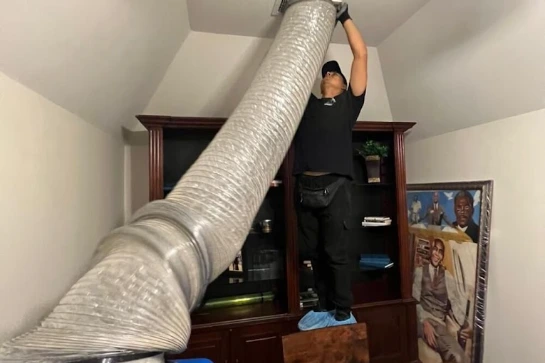
HVAC stands for Heating, Ventilation, and Air Conditioning. This system controls the temperature and air quality inside homes and buildings. HVAC or ventilation systems keep spaces warm in winter, cool in summer, and allow fresh air to flow. Therefore, it is important to keep your system clean. For cleaning, Call for HVAC Cleaning in Roswell or go to MMI Home Improvement Pro’s website to fill out a form.
The system has three key functions:
– Heating: Warms up spaces during cold weather.
– Ventilation: Moves air in and out of the space for freshness.
– Air Conditioning: Cools the air when it’s hot.
These parts work together, and sometimes, furnaces are used to help with heating.
Is a furnace part of HVAC
Furnaces play a big role in ventilation systems, especially for heating. A furnace heats air and pushes it through the ducts to warm rooms. Ventilation systems often depend on furnaces to provide heat, especially in colder areas. Furnaces can run on gas, electricity, or oil.
Types of Furnaces in Ventilation Systems
Different types of furnaces work as part of HVAC systems. Here are the most common ones:
Gas Furnaces: These are popular because they use energy efficiently. They burn natural gas to create heat.
Electric Furnaces: These use electricity to generate heat. While they’re easy to install, they may cost more to operate.
Oil Furnaces: These are used where gas isn’t available. They burn oil to provide heat and work well in colder areas.
All these types of ventilation systems are necessary to keep homes warm.
How to Get Ready for an Air Sample Test
Preparing for an air sample test helps make sure the results are accurate. Here’s how to get ready:
Tell the Technician About Any Concerns
Let the technician know if you suspect a problem like mold or fumes. They can focus on those specific areas during the test.
Clear the Area
Make sure the technician has access to areas where samples will be collected. Move items that could be in the way.
Avoid Creating New Pollutants
Don’t smoke or use strong cleaners before the test, as these will affect the results.
How a Furnace Works in an HVAC System
A furnace works by taking in cold air, heating it, and pushing it through the ducts into the home. When the thermostat detects a drop in temperature, it signals the furnace to turn on. The furnace heats the air, and a fan blows it through the ducts to warm up the rooms.
This shows how a furnace is an important part of HVAC systems, especially for heating during winter months. Without the furnace, the heating part of the HVAC system wouldn’t work well.
Furnaces vs. Heat Pumps: What's the Difference?
Furnaces are not the only heating option in ventilation systems. Heat pumps can also provide warmth, but they work differently. Instead of making heat, heat pumps move heat from one place to another. In cold weather, they pull heat from the air outside and bring it indoors.
Heat pumps are energy-efficient but may not work well in very cold temperatures. In such cases, furnaces are often a better choice as part of ventilation systems to keep spaces warm.
Taking Care of Your Furnace in an Ventilation System
It’s important to keep your furnace in good shape so that it works well as part of the ventilation system. When you maintain your furnace, it runs better and lasts longer. Here are some tips:
– Change Filters: Replace the filters regularly to have a good airflow and reduce the furnace’s workload.
– Check the Ducts: Make sure the ducts are sealed so that warm air doesn’t escape.
– Test the Thermostat: A working thermostat helps your furnace run efficiently and keeps your home at the right temperature.
Maintaining your furnace helps your ventilation system run smoothly, keeping your home comfortable and reducing energy costs.
Furnaces play a major role in ventilation systems, especially in colder climates. Here are some reasons why furnaces are important:
Efficient Heating: Furnaces heat spaces quickly and effectively. They push warm air through ducts, which helps spread the warmth evenly.
Work Well with Other HVAC Parts: Furnaces easily connect with other parts of the ventilation system, like air conditioners and ventilation systems. Together, they create a complete system that controls your home’s temperature and air quality.
Cost-Effective: Gas furnaces, in particular, are very cost-effective. They use energy efficiently, which can help lower your heating bills.These benefits show how a furnace is a key part of the HVAC system, providing reliable warmth when needed.
Even though furnaces are an important part of HVAC systems, they can develop issues if not cared for. Here are some common problems:
– No Heat: This could be caused by a clogged filter or a thermostat issue. Fixing these parts may resolve the problem.
– Furnace Keeps Turning On and Off: Poor airflow or thermostat problems can cause the furnace to cycle on and off frequently. Regular maintenance can prevent this.
– Weird Noises: Strange sounds from the furnace could mean loose parts or mechanical issues.
Furnaces also work well with ventilation systems’ ventilation and air conditioning parts. Together, they create a full system that controls your home’s temperature and air quality. This makes furnaces a key element in many ventilation setups.
Summary
Article Name
Is a furnace part of HVAC?
Description
Learn if a furnace is a part of HVAC systems. Find out how furnaces help with heating and air conditioning.