

Air ducts play a big role in keeping your home comfortable. They carry warm or cool air from the HVAC system to every room. Many homes use flex ducting for HVAC because it is easy to install, light, and flexible. But if it’s not installed properly, it can waste energy and reduce airflow.
However, regular maintenance and Mold Removal and Remediation Services also help keep ducts clean and safe for healthy indoor air. To make sure your system works well, there are four main rules you should always follow when using flex ducts.
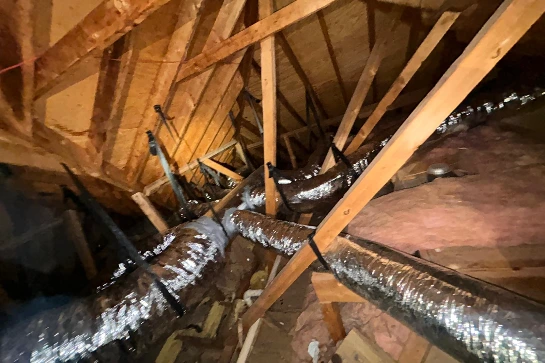
1. Keep Flex Ducting for HVAC Short and Straight
The first rule of flex ducting for HVAC is to keep the duct runs as short and straight as possible. When ducts are long, air has to travel a longer distance, which causes air pressure to drop. The longer the air travels, the weaker it becomes by the time it reaches your vents.
Flex ducts have a ribbed surface inside, which can slow down airflow if the duct is too long or twisted. Keeping the ducts short helps air move more freely and keeps rooms at the right temperature.
Read Also: Will Mold Cleaning Remove Smell?
Tips to keep ducts short and straight:
- Place the air handler or furnace in a central spot so air reaches every room easily.
- Avoid unnecessary loops or extra-long runs.
- Cut off extra ducting material so it fits tightly without folds or bunching.
- Plan your layout before starting the installation.
Short and straight ducts help your HVAC system work better. They also lower energy use, which means smaller electricity bills.
2. Support and Secure Flex Ducting for HVAC Properly
The second rule for flex ducting for HVAC is to give it the right support. Since flex ducts are light and soft, they can sag if not supported well. When ducts sag, they create dips that trap air. This makes the system work harder and may cause uneven heating or cooling.
The best way to stop sagging is by using proper hangers or straps. Experts recommend adding supports every four feet. The straps should be at least one and a half inches wide to hold the duct evenly.
Best practices for support:
- Use wide straps made of smooth material, not thin wires.
- Keep the duct from drooping more than half an inch per foot between supports.
- Don’t bend the duct too tightly near the support point.
- Make sure every joint and connection is fastened tightly with clamps or metal tape.
Good support not only helps with airflow but also prevents noise or shaking inside the ducts. It keeps your system quiet, stable, and efficient for many years.
For detailed insight, read our previous article What is the best method of mold treatment?
3. Avoid Sharp Bends and Kinks in Flex Ducting for HVAC
The third rule is to make sure the ducts bend smoothly, not sharply. When flex ducting for HVAC bends too tightly, it blocks the air. This can make some rooms feel too warm or too cold.
Each bend should be gentle and wide. A good rule is that the curve of a bend should be at least as wide as the duct itself. For example, if you have a 10-inch duct, the curve should have a radius of at least 10 inches.
How to avoid sharp bends:
- Plan gentle turns when laying out the ducts.
- Don’t force the ducts into tight spaces or corners.
- Use special elbow pieces for sharper turns instead of bending the duct too much.
- Make sure the duct is stretched out smoothly before connecting it.
When ducts are bent the right way, air can flow freely. That helps every room stay at a steady temperature. It also keeps your HVAC system from working harder than necessary.
4. Seal and Insulate Flex Ducting for HVAC Correctly
The fourth rule for flex ducting for HVAC is to seal and insulate it properly. Even small leaks in the ducts can waste a lot of energy. If air escapes before reaching your rooms, the system has to run longer to keep your home comfortable.
Use HVAC-approved foil tape or mastic sealant to close all gaps and seams. Once sealed, the ducts should be wrapped with insulation to keep the air inside warm or cool, depending on the season. This stops energy loss and improves comfort.
Tips for sealing and insulation:
- Use UL-approved foil tape made for HVAC systems.
- Don’t use regular duct tape, as it wears out over time.
- Wrap insulation around the duct snugly without squeezing it too tightly.
- Check for leaks by feeling around the joints or using a small smoke pencil.
Proper sealing keeps dust and dirt out of your air system. It also saves money on energy bills and keeps indoor air cleaner and fresher.
Common Mistakes to Avoid in Flex Ducting for HVAC
Even small mistakes during installation can affect how well your HVAC system works. Here are some common errors and how to prevent them:
- Leaving ducts too long or coiled instead of cutting them to size.
- Hanging ducts loosely without proper supports.
- Making sharp turns or kinks that block air.
- Using the wrong type of tape to seal connections.
- Running ducts through hot attics or cold basements without insulation.
By avoiding these mistakes, you help your HVAC system stay strong, efficient, and reliable for many years.
Summary
To sum up, flex ducting is an important part of any HVAC system. It’s flexible, affordable, and easy to install, but only when done the right way. The four main rules to remember are:
- Keep the ducts short and straight.
- Support and secure them properly.
- Avoid sharp bends or kinks.
- Seal and insulate them carefully.
When you follow these rules, flex ducting for HVAC works efficiently, delivering clean and comfortable air throughout your home. It also helps save energy, reduce costs, and improve indoor comfort all year long.