

Mold is a problem that can affect almost any home. It can grow on walls, ceilings, floors, carpets, and even in hidden areas like behind cabinets or under furniture. Mold is more than just an eyesore. It can damage your home and also make you and your family sick. Knowing the Top Causes of Mold Growth is the first step to stopping it and keeping your home safe.
Mold grows when certain conditions are present. Moisture, warmth, and materials like wood or paper make the perfect environment for it to grow.
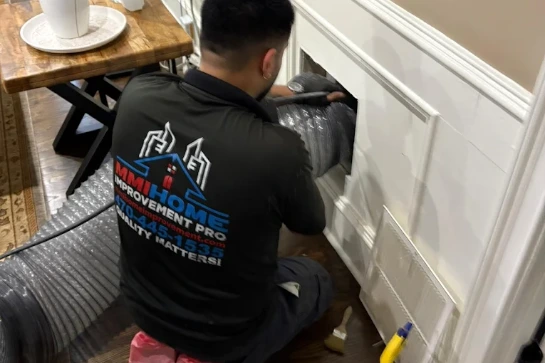
However, if you want the best Mold Air Duct Cleaning in Duluth, contact the trusted service provider, MMI Home Improvement Pro. This guide will explain the main reasons mold appears, the areas of your home at risk, and easy ways to prevent it.
What Mold Needs to Grow
Mold is a type of fungus. It spreads through tiny spores that float in the air. These spores are everywhere, but they only grow when the conditions are right.
To grow, mold needs:
- Water or moisture
- Warm temperatures
- Organic material like wood, carpet, or paper
- Poor airflow or ventilation
Even a small leak or high humidity can give mold a chance to grow quickly. That is why it is important to understand what causes mold in the home.
Read Also: What is the best method of mold treatment?
Top Causes of Mold Growth in Homes
Here are the main reasons mold develops indoors.
1. Water Leaks
Leaks in pipes, roofs, or windows are one of the biggest causes of mold. Water can seep into walls, floors, or ceilings and create damp areas. Mold can grow in just 24 to 48 hours in these conditions.
Signs of water leaks include:
- Water stains on walls or ceilings
- Musty smells
- Peeling paint or wallpaper
Fixing leaks immediately is very important to prevent mold from spreading.
Read Also: Does a spiral duct need to be insulated?
2. Poor Ventilation
Some rooms trap moisture because they do not have enough airflow. Bathrooms, kitchens, and basements are especially at risk. Steam from showers or cooking can make the air damp. If the room does not have vents or fans, moisture lingers, giving mold a chance to grow.
Using exhaust fans or opening windows regularly helps lower humidity. Cleaning vents and ducts also improves airflow and reduces mold problems.
3. High Humidity
Humidity above 50% can create mold-friendly conditions. Humid air produces condensation on walls, windows, and other surfaces. Moist surfaces are like food for mold spores.
To control humidity:
- Use a dehumidifier in damp areas
- Open windows when the weather allows
- Check humidity levels with a small device called a hygrometer
Keeping humidity balanced is one of the easiest ways to prevent mold.
4. Flooding
Floods from storms, broken pipes, or sewer backups bring a lot of water into the home. Flooded areas are perfect for mold growth.
To prevent mold after flooding:
- Dry the area within 24 to 48 hours
- Remove wet carpets, furniture, and other items
- Disinfect surfaces to kill mold spores
Ignoring flood damage can lead to serious and expensive mold problems.
5. Condensation
Condensation happens when warm, humid air touches cold surfaces like windows, metal pipes, or poorly insulated walls. This creates damp spots even if there are no leaks.
You can prevent condensation by:
- Using double-pane windows
- Adding insulation to walls and pipes
- Using fans to circulate air
Even small changes like these can stop mold before it grows.
6. Poorly Maintained HVAC Systems
Heating, ventilation, and air conditioning (HVAC) systems can spread moisture if not properly maintained. Dirty air ducts, clogged filters, and condensation in air handlers create damp areas that mold loves. Regular HVAC maintenance is important. Cleaning air ducts can reduce the chance of mold spreading through your home.
7. Wet or Damp Materials
Carpets, curtains, cardboard, and wood can all hold water. If these items stay wet, mold will grow. Always dry wet items quickly. Avoid leaving damp laundry on the floor or stacked in piles.
8. Crawl Spaces and Basements
Crawl spaces and basements are often dark and damp. Water can enter through cracks in the foundation or walls. Mold can grow in these hidden areas before you even notice it.
To prevent mold:
- Seal foundation cracks
- Use a vapor barrier on the ground
- Ensure proper ventilation
This keeps these areas dry and mold-free.
9. Roof and Attic Issues
Leaks in the roof or poor attic ventilation can trap moisture. Wooden beams, insulation, and shingles can develop mold if damp.
Regularly inspecting the roof and attic helps prevent mold. Adding proper ventilation ensures that damp air does not get trapped.
10. Poor Home Maintenance
Neglecting home maintenance increases the risk of mold. Small problems like clogged gutters, broken window seals, or damp basements can create mold-friendly environments. Routine maintenance reduces the Top Causes of Mold Growth and keeps your home safe.
Read Also: Why Professional Mold Tests Are More Reliable Than Home Kits?
How Mold Affects Health
Mold is not just a problem for your house. It can also affect your family’s health.
Common health problems caused by mold include:
- Sneezing, runny nose, or coughing
- Wheezing or trouble breathing, especially for people with asthma
- Skin irritation or rashes
- Headaches or feeling tired
Some molds release toxins that can be harmful if you are exposed for a long time. Preventing mold protects both your property and your family.
Signs of Mold in Your Home
You may not always see mold at first. Look for these signs:
- Musty or damp smells
- Water stains on walls or ceilings
- Condensation on windows
- Allergy symptoms that get worse indoors
Catching mold early makes it easier to remove and prevent further growth.
How to Prevent Mold Growth
Preventing mold is easier than cleaning it up. Some simple steps include:
- Fix leaks as soon as you notice them
- Use exhaust fans in bathrooms and kitchens
- Keep indoor humidity below 50%
- Dry wet items quickly
- Maintain HVAC systems and clean air ducts
- Inspect basements, crawl spaces, and attics regularly
- Perform regular home maintenance
These steps reduce moisture and make your home less inviting to mold spores.
Long-Term Benefits of Preventing Mold
By controlling moisture and addressing the Top Causes of Mold Growth, you get many benefits:
- Protect your walls, floors, and furniture
- Reduce health risks for your family
- Avoid expensive repairs
- Improve indoor air quality
- Keep your home comfortable and safe
Preventing mold is about controlling moisture and ventilation all year round, not just cleaning.
Summary
Mold is a serious problem that can damage homes and affect health. Knowing the Top Causes of Mold Growth helps you prevent it before it becomes a problem.
Water leaks, poor ventilation, high humidity, floods, condensation, HVAC problems, damp materials, and poor maintenance are the main triggers. Addressing these issues early protects your home and family.