

One small mistake when you Install HVAC system can make it work much less efficiently. If the system is not set up the right way, it can waste energy and raise your power bills. Choosing the right unit and planning each step carefully helps save time and money. When every stage is done properly, from checking your home size to testing the system at the end, your home stays comfortable all year. Many homeowners choose HVAC Ductwork Installation in Roswell to help their heating and cooling systems work better. Good ductwork helps air move smoothly to every room in the house. This keeps the home comfortable and can help save energy. For safe and reliable service, many people trust experienced professionals, including MMI.
What Happens Before You Install HVAC System?
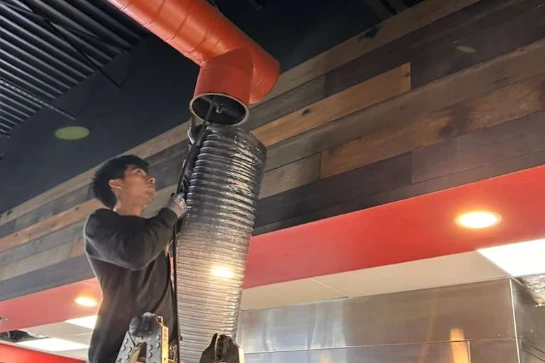
Before professionals Install HVAC system, they do not bring the unit right away. First, they study your home carefully. Every house is different. Some homes are large, and some are small. Some have many windows. Others have better insulation in the walls and attic. All these things affect how much heating and cooling your home needs. If the system is too big, it will turn on and off too often. This wastes energy. If it is too small, it will run all the time and still not keep your home comfortable. That is why understanding your home is the first and most important step.
Phase 1: Home Check and Load Calculation
The first phase is checking your home. Technicians measure the size of the house. They count rooms, check windows, and doors. They also look at insulation and airflow. After that, they do a load calculation. This is a simple way to figure out how much heating and cooling your home needs. This step helps choose the correct size system. When MMI installs a system, they always complete this step carefully. It protects your comfort and helps lower energy costs.
Phase 2: Choosing the Right HVAC System
Once the measurements are done, it is time to choose the system. There are different types of HVAC systems. Some homes use split systems. Others use heat pumps. The right choice depends on your home and the weather in your area. Energy efficiency is also important. A more efficient system uses less electricity. It may cost more at first, but it saves money over time. When you Install HVAC system with the right size and type, your home feels more comfortable every day.
Phase 3: Removing the Old System
If you are replacing an old unit, it must be removed safely. Technicians turn off the power first. Then they disconnect wires and pipes. Refrigerant must be handled carefully because it can harm the environment. The old system is taken out without damaging your home. This step makes space for the new unit.
Phase 4: Checking or Installing Ductwork
Ducts are the metal or plastic tunnels that carry air through your home. They send warm or cool air into each room. If ducts have holes or leaks, air escapes before reaching the rooms. This makes the system work harder and use more energy. Before you Install HVAC system, professionals check the ducts. They seal leaks and fix problems. If needed, they install new ducts. Good ductwork helps keep every room at the right temperature.
Read Also: When to Call an HVAC Cleaner: 7 Signs You Shouldn’t Ignore
Phase 5: Installing the Indoor and Outdoor Units
Now the main installation begins. The indoor unit is placed in a safe area like a basement, attic, or closet. The outdoor unit is placed outside on a flat surface. The system must be level and secure. Technicians connect refrigerant lines and drain pipes carefully. They also make sure there is enough space around the outdoor unit for proper airflow. When MMI installs equipment, they double-check every connection to prevent future problems.
Phase 6: Electrical Connections and Thermostat Setup
An HVAC system needs electricity to work. Technicians connect the system to the main power supply. They install safety switches and breakers. All wiring must follow safety rules. Then they install the thermostat. The thermostat controls the temperature in your home. You can adjust it to stay warm or cool as you like. Some people choose smart thermostats. These allow you to control the system using your phone. Proper wiring is very important when you Install HVAC system. It keeps your home safe.
Phase 7: Testing and Final Inspection
The last step is testing everything. Technicians turn on the system and check how it runs. They measure airflow and check the temperature. They also look for leaks and listen for strange sounds. If something is not working correctly, they fix it right away. This final check makes sure your system runs smoothly from the first day.
How Long Does Installation Take?
Most replacement jobs take one to two days. If new ductwork is needed, it may take three to five days. The time depends on your home size and system type. Experienced teams like MMI work carefully and finish the job as quickly as possible without lowering quality.
Why Professional Experts Should Install HVAC System
You may think installation is simple, but it is not.
Poor installation can lower system efficiency. This means higher energy bills and less comfort.
Correct installation gives you:
- Even heating and cooling
- Lower energy use
- Longer system life
- Fewer repair problems
That is why hiring trained professionals is always a smart decision.
Common Mistakes to Avoid When You Install HVAC System
Some common mistakes can cause trouble later.
- Choosing the wrong size system
- Ignoring duct leaks
- Incorrect wiring
- Skipping final testing
When experts Install HVAC systems, these mistakes are avoided.
Summary
Installing an HVAC system is not just about placing a machine in your home. It is a step-by-step process. Each phase is important. When you Install HVAC systems the right way, your home stays comfortable in every season. You save money, and your system lasts longer. If you are planning to install a new system, trust professionals like MMI to do the job correctly the first time. Your comfort depends on it.