

Static pressure in HVAC system is one of the most important things to understand if you want your heating and cooling system to work well. It affects how air moves through your ducts and vents. If you notice higher energy bills, uneven temperatures in your home, or strange noises from your HVAC system, static pressure could be the problem. Knowing how it works can help you improve airflow, save energy, and keep your system running longer.
Understanding Static Pressure in HVAC System
Static pressure in HVAC system shows how hard it is for air to move through your ducts. You can imagine it like water moving through a hose.
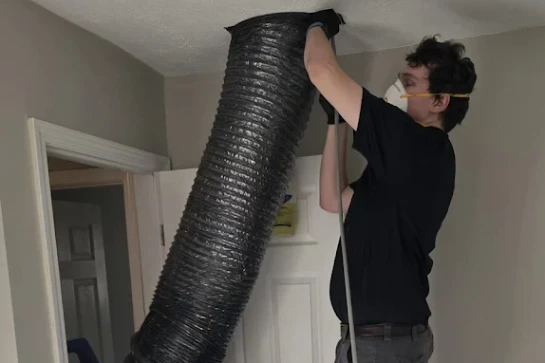
If the hose is very narrow or blocked, the water has to push harder to flow and move more slowly. Air works the same way in your HVAC system. When air has to go through small or blocked parts, the fan or blower has to work extra hard to push it. The right amount of static pressure helps your system move air evenly, heat and cool your home well, and stay quiet. If the static pressure is too low, the air will be weak. If it is too high, it can damage your system and make your energy bills higher. In most homes, the best static pressure is about half an inch of water column. This keeps the system running quietly and efficiently.
Read Also: What Are the Four Rules for Flex Ducting in HVAC?
Signs of High Static Pressure
It is important to know when the static pressure in HVAC system is too high. There are three main signs to watch for:
Uneven Heating and Cooling
One common sign is uneven temperatures in your home. Some rooms may feel too hot while others feel too cold. This happens because high static pressure makes it hard for air to flow evenly through all the vents. When airflow is blocked, some rooms get too much air while others get too little.
Higher Energy Bills
High static pressure forces your HVAC system to work harder to move air. When the blower struggles to push air through the ducts, it uses more electricity. This extra effort can quickly increase your energy bills. Over time, the strain can damage parts of your system and lead to expensive repairs.
Loud or Noisy System
You might also notice your system is louder than usual. High static pressure makes the blower run at full speed, which can create strong rushing air sounds or loud motor noise. You may hear air being sucked in and pushed out of the vents with extra force. These noises are your system trying to overcome the extra resistance in the ducts.
Causes of High Static Pressure
There are several common reasons why static pressure in HVAC system becomes too high. Fixing these issues early can prevent serious damage and improve performance.
Clogged or Dirty Air Filters
Air filters are designed to catch dust, dirt, and allergens before they enter your HVAC system. Over time, filters can become clogged. When this happens, air has a harder time passing through, increasing static pressure. Regularly replacing or cleaning filters keeps air flowing smoothly and reduces strain on your system. Using filters with higher MERV ratings can trap smaller particles, but they may also create more resistance. Your technician can help choose the right filter for your system.
Undersized Air Returns
Air return ducts bring air back to your HVAC system so it can be heated or cooled again. If these ducts are too small, airflow is restricted. This increases static pressure, making your system work harder. It is similar to trying to breathe through a tiny straw. Properly sized air returns allow air to flow easily and help your system maintain balanced airflow throughout your home.
Read Also: What Are the Benefits of Regular HVAC Cleaning?
Dirty or Small Indoor Coil
The indoor coil is a part of your HVAC system that transfers heat or cold to the air. If it is dirty or too small, air cannot pass through easily. This increases static pressure and reduces efficiency. During winter, the coil warms the air, and during summer, it helps cool it. A dirty or undersized coil makes your system work harder, increases energy costs, and can cause damage over time. Regular cleaning and maintenance of the coil is essential.
How High Static Pressure Affects Your HVAC System
High static pressure can cause many problems if not addressed. It can reduce airflow, increase energy bills, make the system noisy, and shorten the life of your equipment.
- Uneven airflow: Some rooms may not get enough air, making your home uncomfortable.
- Energy waste: Your system uses more electricity, increasing bills.
- Wear and tear: Components like the blower and motor may wear out faster.
- System failure: Ignoring static pressure can lead to breakdowns and expensive repairs.
Preventing Static Pressure Problems
Preventing static pressure problems is easier than fixing them after they happen. Here are some simple steps:
- Replace or clean your air filters every few months.
- Make sure air return ducts are not blocked and are properly sized.
- Schedule regular maintenance for indoor coils.
- Hire a certified HVAC technician to inspect your ductwork for leaks, blockages, or poor design.
Taking these steps will help your system run smoothly, save energy, and prevent damage.
Why Professional Help is Important
Some issues with static pressure in HVAC system can be fixed at home, like changing filters. But many problems require professional inspection. HVAC technicians can measure static pressure accurately, find hidden problems, and suggest the best solutions. Ignoring high static pressure can lead to costly repairs, reduced efficiency, and even system failure.
Simple Tips to Maintain Proper Static Pressure in HVAC System
In addition to professional help, homeowners can follow simple tips to keep static pressure in check:
- Keep vents and registers open and clear of furniture or rugs.
- Avoid covering return vents or placing obstacles in front of them.
- Schedule regular HVAC tune-ups to check for leaks or blockages.
- Replace filters according to the manufacturer’s schedule.
- Clean your indoor coil or have a technician do it yearly.
Small actions like these can make a big difference in your system’s efficiency and reduce energy costs.
Summary
Static pressure in HVAC system is a key factor for your system’s efficiency, comfort, and longevity. High or low static pressure can cause uneven temperatures, higher energy bills, and noisy operation. Knowing the causes, signs, and solutions helps you maintain a healthy HVAC system.
Preventive maintenance, proper duct design, and professional inspections can prevent problems. Working with experts like MMI Home Improvement Pro ensures your system runs efficiently, safely, and quietly. By understanding and managing static pressure, you protect your investment, improve comfort, and save money on energy bills.