

Roof Dryer Vent Problems can cause many issues in a home if they are not fixed on time. Many houses have dryer vents that go through the roof instead of the wall. This setup helps release hot air and moisture outside. However, roof vents can sometimes develop problems because they are exposed to weather, debris, and lint buildup.
When the dryer vent on the roof does not work properly, the dryer may struggle to remove heat and moisture from clothes. This can lead to longer drying times, higher energy bills, and even safety risks. However, if you are looking for a Dryer Vent Cleaning Company Near Me, contact MMI Home Improvement.
How a Roof Dryer Vent Works
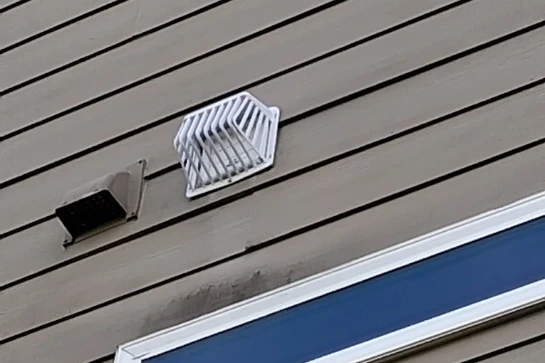
Before understanding the problems, it is helpful to know how a roof dryer vent works. A dryer removes moisture from wet clothes using warm air. The dryer pushes this warm air through a vent pipe and sends it outside the home. When the vent goes through the roof, the air travels up through a duct and exits through a roof vent cap. This cap protects the vent opening from rain, animals, and debris while still allowing air to escape. As the dryer works, it produces small fibers from clothing called lint. The lint trap catches most of these fibers, but some lint still moves through the vent pipe. Over time, this lint can build up inside the vent system and create problems.
Read Also: Dryer Vent Maintenance Tips to Keep Your Home Safe
Top 8 Common Roof Dryer Vent Problems and How to Fix Them
Lint Buildup Inside the Vent
One of the most common Roof Dryer Vent Problems is lint buildup inside the vent pipe. Because roof vents often have longer ducts, lint can collect more easily along the inside walls of the pipe. When lint builds up, it blocks airflow. This makes it harder for hot air and moisture to leave the dryer. As a result, the dryer must work longer to dry clothes. Lint buildup is also dangerous because lint burns easily. If the dryer becomes too hot, the lint can catch fire and create a serious safety risk.
How to Fix It
The best way to fix lint buildup is regular cleaning. Homeowners should clean the lint trap after every load of laundry. This prevents extra lint from entering the vent system. It is also important to schedule professional dryer vent cleaning at least once a year. Technicians use special tools to remove lint from the entire vent pipe, including areas that are difficult to reach. This improves airflow and reduces fire risks.
Blocked Roof Vent Cap
Another common Roof Dryer Vent Problem is a blocked roof vent cap. The vent cap sits on top of the roof and allows hot air to exit the home. It also helps keep rain, leaves, and animals out of the vent pipe. However, debris such as leaves, dirt, and twigs can sometimes block the vent opening. Birds may also build nests near the vent cap. When this happens, airflow becomes restricted. Blocked airflow can cause clothes to take longer to dry and may cause the dryer to overheat.
How to Fix It
Homeowners should inspect the roof vent cap from time to time. If debris is blocking the opening, it should be removed carefully. If birds or animals have built a nest near the vent, the nest should be removed and the vent cleaned. Installing a protective vent cover designed for dryer vents can also help prevent animals from entering the vent system.
Damaged Roof Vent Cap
Because roof vent caps are exposed to the weather, they can become damaged over time. Strong sunlight, heavy rain, wind, and snow can cause cracks or loosen the vent cap from the roof. A damaged vent cap can allow rainwater to enter the vent pipe. Moisture inside the duct can cause lint to stick to the walls, which leads to faster blockages. Water leaks can also damage the roof and attic area.
How to Fix It
If the vent cap is cracked or broken, it should be replaced as soon as possible. A new vent cap made from durable metal or strong plastic can protect the vent system from weather damage. The base of the vent cap should also be sealed properly to prevent water leaks around the roof opening.
Read Also: 10 Warning Signs Your Dryer Needs a Vent Cleaning
Poor Vent Installation
Some Roof Dryer Vent Problems happen because the vent was not installed correctly. In some homes, the vent pipe may be too long or have too many bends. Each bend slows down airflow and makes it easier for lint to collect inside the duct. Another issue is the use of flexible plastic ducts. These ducts can trap lint more easily than smooth metal ducts. When the vent system is poorly designed, the dryer must work harder to push air outside. This can increase drying time and cause the dryer to wear out faster.
How to Fix It
If the vent system has too many bends or long sections, a professional technician may recommend redesigning the duct layout. Shorter and straighter ducts improve airflow and reduce lint buildup. Replacing flexible ducts with smooth metal ducts can also make a big difference in dryer performance.
Water Leaks Around the Roof Vent
Roof dryer vents must be sealed carefully where they pass through the roof. If the flashing or seal around the vent becomes damaged, rainwater can leak into the attic. Water leaks can cause damage to insulation, wooden roof structures, and ceilings. Over time, moisture may also lead to mold growth in the attic.
How to Fix It
Homeowners should check the area around the roof vent for signs of cracks or gaps. Roofing sealant can sometimes fix small leaks. If the flashing around the vent is badly damaged, it may need to be replaced. A roofing professional can inspect the area and repair it properly to stop water from entering the home.
Long Drying Times
One clear sign of Roof Dryer Vent Problems is when clothes take longer than normal to dry. If a normal drying cycle no longer works and clothes remain damp, airflow may be blocked. Restricted airflow makes it harder for moisture to leave the dryer. As a result, the dryer must run longer and use more energy.
How to Fix It
Start by cleaning the lint filter and checking for visible blockages in the vent. If the problem continues, the vent system should be cleaned professionally. Removing lint buildup often restores normal drying times.
Overheating Dryer
Another serious issue caused by Roof Dryer Vent Problems is dryer overheating. When heat cannot escape through the vent, it builds up inside the dryer. Overheating can damage important parts of the dryer, such as the heating element and motor. In extreme cases, it can even start a fire.
How to Fix It
If the dryer feels very hot or shuts off during cycles, stop using it and inspect the vent system. Cleaning the vent and removing any blockages will allow heat to escape safely.
Animals Inside the Vent
Roof vents can attract animals looking for a warm and safe place to build a nest. Birds, squirrels, and other small animals may enter the vent opening. Nests inside the vent block airflow and fill the duct with debris. This creates serious ventilation problems and increases the risk of fire.
How to Fix It
Installing a vent cover designed for dryer vents can help prevent animals from entering the vent. These covers allow air to flow while blocking animals. If a nest is already inside the vent, it should be removed carefully. A professional technician can safely remove the debris and clean the duct system.
How to Prevent Roof Dryer Vent Problems
Preventing Roof Dryer Vent Problems is easier than fixing major issues later. Regular maintenance keeps the vent system safe and efficient. Always clean the lint filter after every dryer load. This simple habit reduces the amount of lint entering the vent pipe. Schedule professional dryer vent cleaning once a year. This removes hidden lint buildup and improves airflow. It is also helpful to check the roof vent cap regularly for debris, damage, or animal activity. Finding problems early can prevent bigger repairs in the future.
Summary
Roof Dryer Vent Problems can cause many issues in a home, including longer drying times, higher energy bills, and safety risks. Lint buildup, blocked vent caps, damaged parts, and poor installation are some of the most common problems. Regular cleaning, proper maintenance, and professional inspections can help prevent these issues. By fixing problems early and keeping the vent system clean, homeowners can protect their dryers, improve energy efficiency, and keep their homes safe.