

Many homeowners worry when they notice high humidity inside their homes. They often wonder if it will always lead to mold growth. The good news is that the answer is no. High humidity increases the chance of mold, but it does not always mean mold will appear. Mold needs more than humid air to grow. It also needs moisture, a food source, and enough time. If you notice a musty smell or see mold in your home, it is best to act quickly. Professional Mold Removal and Remediation Services can remove the mold and help stop it from spreading. If you need Mold Removal and Remediation in Woodstock, trained experts can also check for hidden moisture and help keep the air inside your home clean and healthy. By understanding how mold forms, you can take simple steps to protect your home and keep your indoor air healthy.
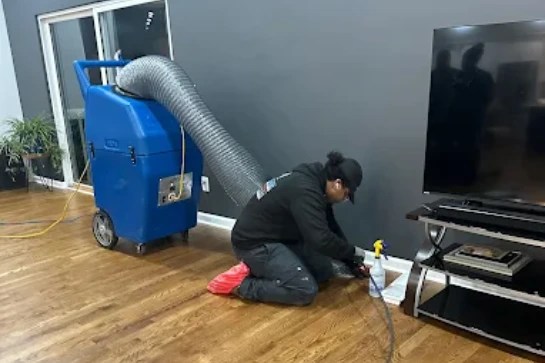
What Is High Humidity?
Humidity is the amount of water vapor in the air. When the air holds too much moisture, it is called high humidity.
Indoor humidity can rise because of:
- Hot showers
- Cooking
- Drying clothes indoors
- Poor ventilation
- Water leaks
- Humid outdoor weather
Most experts recommend keeping indoor humidity between 30% and 50%. When humidity stays above 60% for long periods, the risk of mold becomes much higher. However, read our previous article Will Mold Cleaning Remove Smell? for detailed insight.
Does High Humidity Always Cause Mold?
No. High humidity alone does not always cause mold.
Mold spores are naturally present in both indoor and outdoor air. However, they only begin to grow when they land on damp surfaces with enough moisture. For example, a home may have high humidity for a short time without developing mold. But if moisture stays on walls, ceilings, carpets, or wood for several days, mold can begin to grow. The real problem is long-lasting moisture, not humidity by itself.
Why Mold Grows in Humid Homes
Mold needs three main things to grow:
Moisture
Water is the most important requirement. Moisture may come from humidity, leaks, flooding, or condensation.
Organic Materials
Mold feeds on materials found in many homes, including:
- Drywall
- Wood
- Carpet
- Ceiling tiles
- Dust
- Fabric
Warm Temperatures
Warm indoor temperatures help mold grow faster, especially when moisture is also present. When all these conditions come together, mold can begin growing within one to two days after a surface becomes wet.
Read Also: How Does Professional Mold Inspection and Testing Work?
Signs Your Home Has High Humidity
Sometimes you can feel when the air is too humid. Other times, the signs are easier to see.
Common signs include:
- Condensation on windows
- Musty smells
- Damp walls
- Peeling paint
- Water stains
- Sticky indoor air
These signs do not always mean mold is present, but they show that your home has extra moisture that should be controlled.
Places Where Mold Often Grows
Even if the whole house has high humidity, mold usually grows in places that stay damp.
These include:
- Bathrooms
- Kitchens
- Basements
- Laundry rooms
- Around windows
- Under sinks
- Inside HVAC systems
- Near leaking pipes
These areas should be checked regularly for signs of moisture.
Read Also: What is the best method of mold treatment?
Health Problems Caused by Mold
Mold can affect indoor air quality and may cause health problems for some people.
Possible symptoms include:
- Sneezing
- Coughing
- Runny nose
- Eye irritation
- Skin irritation
- Asthma flare-ups
People with allergies, asthma, or weakened immune systems may be more sensitive to mold exposure.
How to Prevent Mold in Humid Homes
The best way to stop mold is to control moisture before it becomes a problem.
Here are some simple tips.
Keep Humidity Low
Use a dehumidifier if your home often feels damp.
Improve Ventilation
Run exhaust fans in bathrooms and kitchens. Open windows when the weather allows.
Fix Leaks Quickly
Repair leaking roofs, pipes, or windows as soon as possible.
Dry Wet Areas Fast
Dry wet carpets, walls, and furniture within 24 to 48 hours after water damage.
Maintain Your HVAC System
Replace air filters regularly and schedule routine HVAC maintenance to improve airflow and reduce indoor moisture.
Can Air Conditioning Help?
Yes. Air conditioners remove both heat and moisture from indoor air. A properly working HVAC system helps keep humidity at a comfortable level. However, if the system is too large, too small, or poorly maintained, it may not remove enough moisture. Regular inspections help keep the system working efficiently.
Should You Test for Mold?
If you notice a musty smell, visible mold, or signs of water damage, it is better to inspect the source of moisture first.
In many cases, fixing the moisture problem and cleaning the affected area is more important than testing for mold. Health experts recommend removing mold and controlling moisture instead of focusing only on identifying the mold type.
When to Call a Professional
If mold covers a large area or keeps returning after cleaning, professional help may be needed. Experts can find hidden moisture problems, improve ventilation, repair water damage, and safely remove mold. They can also recommend ways to reduce humidity and improve indoor air quality. Professional inspections are especially helpful after flooding, plumbing leaks, or major water damage.
Summary
High humidity increases the risk of mold, but it does not always lead to mold growth. Mold only grows when moisture stays on surfaces long enough for spores to spread. The best way to protect your home is to control humidity, improve ventilation, fix leaks quickly, and keep your HVAC system in good condition. Taking these simple steps can help prevent mold, improve indoor air quality, and create a healthier living environment for your family.