

Your HVAC system does more than heat and cool your home. It also moves air through your living spaces every day. Because of this, many homeowners look for ways to improve indoor air quality. One option is UV Lights in HVAC systems. These lights use ultraviolet energy to target certain microorganisms, such as some bacteria, viruses, and mold. But do UV lights really work? The short answer is yes, but results depend on the type of system, light strength, placement, and exposure time. UV lights can support indoor air quality, but they should not replace good filters, proper cleaning, or moisture control.
What Are UV Lights in HVAC Systems?
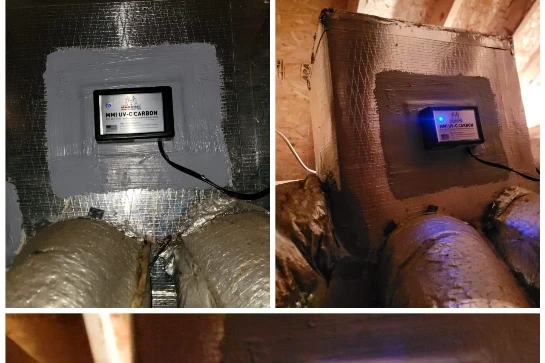
UV Lights in HVAC systems use a type of ultraviolet light called UV C. These lights work inside the HVAC system. A technician may place the light near the cooling coil, drain pan, air handler, or ductwork. The UV light targets certain microorganisms in the system. With enough UV exposure, it can damage these microorganisms and stop them from growing. However, UV lights do not all work the same way. The results depend on the light strength, placement, airflow, temperature, humidity, and exposure time.
Read Also: What is a good source of UV Light at home?
How Does it Work?
UV lights use ultraviolet energy to target certain microorganisms. When the system provides enough UV exposure, it can make some microorganisms inactive. UV lights have been used in HVAC systems for many years. They can help treat air and surfaces inside HVAC equipment. However, UV lights do not remove dust from the air.
They also do not work like air filters. An air filter catches dust, pollen, pet hair, and other particles. UV light targets certain microorganisms. Using both can give your HVAC system different types of protection. If you need UV Light in Roswell GA, MMI Home Improvement Pro can also be a good option to consider. A professional can inspect your HVAC system and help you decide if a UV light system fits your needs.
Can UV Lights in HVAC Help With Mold?
Many homeowners consider UV lights because they want to control mold. UV light can affect some types of mold when the mold gets enough UV exposure. However, a typical home UV system may not control all mold or mold spores. UV lights also cannot remove dead mold or fix the moisture problem that caused mold growth. If you find mold in your HVAC system, first find and fix the source of moisture. Leaks, condensation, wet insulation, and poor drainage can all create conditions that support mold growth.
For homeowners looking for UV Light in Norcross, MMI Home Improvement Pro offers UV light installation as part of its HVAC services. The company also serves Roswell and other areas across Georgia.
What Are the Benefits of UV Lights in HVAC?
There are several reasons homeowners choose UV systems.
UV Lights in HVAC Can Help Control Microorganisms
A properly designed system can help make some bacteria, viruses, and other microorganisms inactive. The results depend on the light strength, placement, and exposure time.
UV Lights in HVAC May Help Keep Cooling Coils Cleaner
UV lights can also target biological growth on some HVAC surfaces. Keeping cooling coils cleaner may help the HVAC system work properly. However, regular HVAC maintenance still matters.
UV Lights in HVAC Can Support Indoor Air Quality
UV light can be one part of an indoor air quality plan. Good air filters, proper ventilation, moisture control, and regular HVAC care also play an important role. Using these methods together can provide better results than using UV light alone.
What Are the Limits of UV Light in HVAC?
UV lights cannot solve every indoor air problem.
UV Lights Do Not Remove Dust
UV light does not replace an air filter. Filters catch dust, pollen, pet hair, and other particles. Check your HVAC filter regularly and replace it when needed.
UV Lights Do Not Fix Moisture Problems
If mold grows because of a water leak or high humidity, a UV light will not fix the problem. You must find and repair the moisture source. For example, repair leaks, improve drainage, and control high humidity.
UV Lights May Not Kill Every Microorganism
Different microorganisms need different levels of UV exposure. A weak lamp or poor placement may not provide enough exposure. Airflow, temperature, humidity, light strength, and exposure time can all affect how well UV lights work.
Is UV Light in HVAC Safe?
A properly installed UV system can be safe when you follow the manufacturer’s instructions. However, direct exposure to UV light can harm your eyes and skin. Do not look directly at a UV light or handle the equipment without following the safety instructions. Professional installation can help place the light correctly and reduce safety risks.
Summary
UV Lights in HVAC systems can help control certain microorganisms when professionals install and size them correctly. They may also help control biological growth on some HVAC surfaces. However, UV lights do not replace air filters, duct cleaning, ventilation, or moisture control. If you are thinking about installing a UV system, ask an HVAC professional to inspect your system first. Using proper filtration, moisture control, ventilation, cleaning, and UV technology together can help support better indoor air quality.