

Mold can grow in dark and damp places. Your HVAC ductwork can sometimes provide the right conditions for mold to grow. Because ducts are hidden, many homeowners may not notice a problem right away. Knowing the common mold in ductwork symptoms can help you spot a possible issue early. Some signs may be easy to notice, while others may need a closer look.
Mold in your ductwork does not always mean you can see mold inside the ducts. Some signs can also come from other HVAC or moisture problems. If you suspect mold, it is best to have the system checked by a qualified professional.
Top 10 Mold in Ductwork Symptoms to Watch For
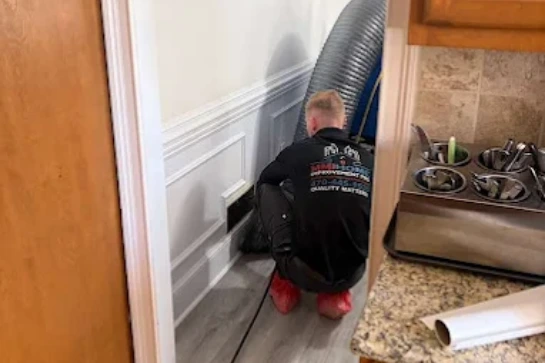
Several signs may point to mold or moisture inside your HVAC system. Here are 10 common mold in ductwork symptoms homeowners should know.
1. Mold in Ductwork Symptoms Include a Musty Smell
A musty or earthy smell is one of the signs people often notice first. You may smell it when your HVAC system starts running. The smell may become stronger when air moves through the vents. A musty smell does not always mean mold. It can also come from dust, moisture, or other sources. However, if the smell keeps coming back, it is worth checking the HVAC system.
2. Mold in Ductwork Symptoms Include Visible Mold
Visible mold is another warning sign. You may notice dark, green, brown, or white spots around vents, grilles, or other HVAC parts. Mold may also appear on nearby surfaces if moisture is present. Do not assume every dark spot is mold. Dirt and dust can look similar. If you see something that may be mold, avoid touching it. A professional can help identify the source.
Read Also: What is the best method of mold treatment?
3. Mold in Ductwork Symptoms Include Damp Areas
Mold needs moisture to grow. Damp areas around your HVAC system can increase the chance of mold growth. Check around vents, air handlers, drain pans, and other areas for signs of water or moisture. Leaking pipes, blocked drain lines, and high indoor humidity can all create moisture problems. Fixing the moisture source is important because cleaning mold without fixing the water problem may not solve the issue.
4. Mold in Ductwork Symptoms Include Dirty Air Vents
Dirty vents can be another sign of an HVAC problem.
If you notice unusual buildup around your vents, check the area carefully. Dust is common, but unusual spots or growth may need further inspection. Dirty vents do not always mean mold. They may simply need cleaning. Still, if dirty vents appear with a musty smell or moisture, it may be worth having the system inspected.
5. Mold in Ductwork Symptoms Include Frequent HVAC Odors
Your HVAC system should not create a strong or unusual smell when it runs. If an unpleasant odor appears every time the system turns on, there may be a problem inside the system. The smell could come from mold, dirty filters, moisture, or other HVAC issues. Pay attention to when the smell starts and how long it lasts. This information can help a technician find the source.
Read Also: Will Mold Cleaning Remove Smell?
6. Mold in Ductwork Symptoms Include Water Damage
Water stains near vents or HVAC equipment should not be ignored. Brown marks, peeling surfaces, or wet spots may show that moisture is getting into the area. Moisture can create a good environment for mold growth. If you notice water damage, find the source as soon as possible. The problem may come from condensation, a leak, or a drainage issue.
7. Mold in Ductwork Symptoms Include Poor Air Quality
Indoor air can feel less fresh when an HVAC system has a moisture or cleanliness problem. You may notice more dust, unusual smells, or stale air when the system runs. Poor indoor air quality can have many causes. Mold is only one possible cause. If your indoor air quality changes suddenly, check your filters, humidity levels, and HVAC system. A professional inspection can help find the cause.
For detailed insight, read our previous article How Does Professional Mold Inspection and Testing Work?
8. Mold in Ductwork Symptoms Include Mold Near the HVAC Unit
Mold may not always be inside the ductwork. It can also grow around the HVAC system. Check areas near the air handler, cooling coil, drain pan, and nearby walls. If you find mold near these areas, there may be a moisture problem that needs attention. A technician can inspect the system and help determine whether the ductwork is also affected. Homeowners in Georgia who find signs of mold may consider professional help, such as Mold Removal and Remediation in Suwanee, to identify the source and choose the right solution.
9. Mold in Ductwork Symptoms Include High Indoor Humidity
High humidity can create a better environment for mold. If your home feels damp or sticky, check your indoor humidity level. Poor ventilation, HVAC problems, and water leaks can all increase moisture. Keeping indoor humidity at a comfortable level can help reduce moisture problems. If humidity stays high even when your HVAC system is running, it may be time to have the system checked.
10. Mold in Ductwork Symptoms Include Recurring Problems
Sometimes the biggest warning sign is that the same problem keeps coming back.
You may clean a vent, but the smell returns. You may remove visible growth, but new spots appear.
This can mean that the source of the problem has not been fixed. Recurring mold in ductwork symptoms should not be ignored. A professional can inspect the HVAC system and look for moisture or other causes. If the same musty smell or visible growth keeps coming back, it may be time to have your HVAC system checked. For homeowners dealing with these issues in Woodstock, professional Mold Removal and Remediation in Woodstock can help find and address the source of the problem.
What Causes Mold in Ductwork?
Mold needs moisture, warmth, and a food source to grow. Several HVAC problems can create these conditions.
Common causes include:
- Water leaks
- High indoor humidity
- Condensation
- Poor drainage
- Wet insulation
- Dirty HVAC components
- Limited airflow
Finding and fixing the moisture source is an important part of solving the problem.
Summary
Knowing the common mold in ductwork symptoms can help homeowners notice possible HVAC problems early. Musty smells, visible growth, damp areas, water damage, unusual odors, and recurring issues can all be signs that your HVAC system needs attention. However, these signs can have other causes too. The only way to know what is happening is to inspect the system properly. Keeping your HVAC system clean, controlling indoor moisture, changing filters, and fixing leaks can help support a cleaner indoor environment.