

Finding mold around bath areas can be frustrating. You clean it, and the bathroom looks fresh again. However, a few days or weeks later, the mold comes back. This often happens because the bathroom still has too much moisture. Mold can grow when surfaces stay damp for a long time. Therefore, cleaning the visible mold is only one part of the solution. You also need to find and control the source of moisture. The EPA explains that if you clean mold but do not fix the water problem, the mold will likely return.
What Causes Mold Around Bath?
Bathrooms often have the right conditions for mold growth. Hot showers create steam, and water can collect on walls, tiles, grout, and other surfaces.
Common causes include:
- High humidity.
- Poor ventilation.
- Water leaks.
- Wet towels and bath mats.
- Condensation.
- Damaged grout or caulk.
- Water that stays around the bath.
- Poor airflow.
The main problem is usually moisture. Mold needs moisture to grow, so controlling dampness can help stop it from coming back.
Read Also: Does a spiral duct need to be insulated?
Mold Around Bath Can Return Because of High Humidity
Every time you take a hot shower, steam fills the bathroom. The steam can turn into water droplets on cold surfaces. If the bathroom stays damp for a long time, mold around bath areas can grow again.
The EPA recommends keeping indoor humidity low. Ideally, humidity should stay between 30 and 50 percent when possible.
You can reduce humidity by:
- Using the bathroom exhaust fan.
- Opening a window when possible.
- Using a dehumidifier if needed.
- Wiping wet surfaces.
- Allowing the bathroom to dry after showering.
Read Also: Why Professional Mold Tests Are More Reliable Than Home Kits?
Poor Ventilation Can Cause Mold Around Bath
A bathroom needs good airflow to remove steam and moisture. If your bathroom has an exhaust fan, make sure it works properly. The fan should move moist air outside the home, not into an attic or another closed space. If you do not have a fan, opening a window can help improve airflow when possible. The EPA also notes that when mold keeps returning in a bathroom, better ventilation and more frequent cleaning can help reduce the problem.
Hidden Water Leaks Can Make Mold Come Back
Sometimes, you may clean the mold but miss the real source of moisture.
A small leak around the bath, shower, pipe, or wall can keep the area wet. Even a slow leak can create enough moisture for mold to grow.
Look for signs such as:
- Water stains.
- Peeling paint.
- Soft walls.
- Loose tiles.
- Wet floors.
- A musty smell.
- Damaged caulk.
Fix plumbing leaks as soon as possible. If water keeps reaching the same area, mold may continue to return.
Damaged Caulk and Grout Can Trap Moisture
Caulk and grout help protect the areas around your bath and shower. Over time, they can crack, wear out, or become damaged. Water can then enter small gaps and stay behind tiles or around the bath. This hidden moisture can support mold growth. Check the caulk and grout regularly. If you see cracks, gaps, or loose areas, repair them after the area is fully cleaned and dry. Do not simply apply a new caulk over visible mold. Clean the mold and fix the moisture problem first.
Read Also: What is the best method of mold treatment?
How to Clean Mold Around Bath
For a small amount of mold on hard surfaces, you can often clean the area yourself. Start by wearing gloves and making sure the room has fresh air. Use water and detergent to scrub the mold from hard surfaces. Then dry the area completely. The EPA recommends cleaning mold from hard surfaces and fixing the moisture problem to help prevent it from returning. If you choose to use bleach or another cleaner, follow the product instructions carefully. Never mix bleach with ammonia or other cleaning products because dangerous fumes can form.
How to Stop Mold Around Bath From Coming Back
The best way to stop mold around bath areas from returning is to control moisture.
Use the Exhaust Fan
Turn on the bathroom fan when showering and use it to help remove moist air. Check that the fan actually vents outside and works properly.
Dry Wet Surfaces
After showering, wipe water from the bath, walls, and other wet surfaces. This simple habit can reduce the time that moisture stays in the bathroom.
Fix Leaks Quickly
Check pipes, taps, and the area around the bath for leaks. Fixing the water source is just as important as removing visible mold.
Keep the Bathroom Clean
Regular cleaning can remove soap scum and dirt where mold may grow. Pay special attention to corners, grout, caulk, and areas that stay wet.
Wash and Dry Bath Mats
Bath mats can hold moisture for a long time. Wash them regularly and allow them to dry completely.
Improve Airflow
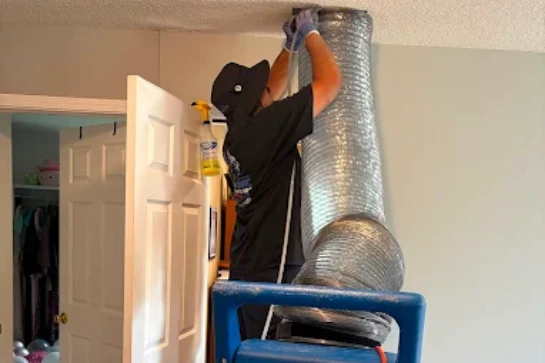
Open the bathroom door or window when appropriate to help the room dry. Better airflow can reduce dampness and condensation. You may also need help if mold affects a large area or appears in your HVAC system. Mold and moisture problems inside air ducts may need a professional inspection to find the source and choose the right cleaning method. If you need Mold Air Duct Cleaning in Duluth, a trained professional can inspect the ductwork and check for moisture, dirt, or possible mold growth. Homeowners in nearby areas can also look for Mold Air Duct Cleaning in Norcross, when they notice mold-related concerns inside their HVAC system. For professional inspection and air duct services, MMI Home Improvement Pro is a strong choice.
Summary
Mold around bath areas usually keeps coming back because moisture is still present. Cleaning the visible mold can help, but you also need to fix leaks, improve ventilation, control humidity, and dry wet surfaces. Check your bathroom fan, inspect caulk and grout, and look for hidden water problems. Regular cleaning and good airflow can also help keep your bathroom dry. When you control the moisture source, you have a much better chance of stopping mold from returning.