

Air conditioning mold often starts with moisture. AC systems cool the air and remove humidity, which can create condensation around coils, drain pans, ducts, and nearby surfaces. When that moisture does not drain properly or dries quickly, mold may begin to grow. The warning signs of air conditioning mold can include a musty smell, visible growth, repeated condensation, water near the air handler, and damp duct insulation. Still, an odor or allergy symptom alone does not prove mold is present. The best approach is to look for moisture, check the system safely, and fix the cause, not only the visible spot.
7 Signs of Air Conditioning Mold
Air conditioning mold can show up in different ways. Some signs are easy to see, while others are more subtle.
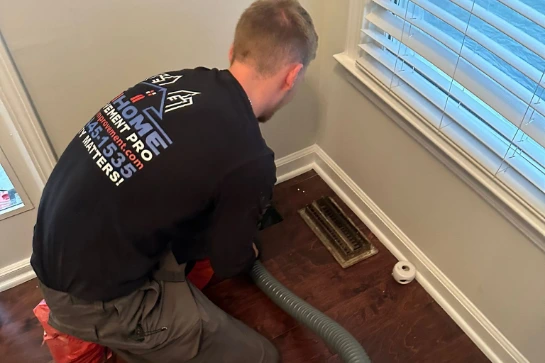
Watch for these seven warning signs, especially if they keep returning. For homeowners in Georgia, professional help like Mold Air Duct Cleaning in Norcross can be useful when mold is suspected inside ducts or around HVAC components. MMI Home Improvement Pro provides mold air duct cleaning and related HVAC services, with local service across the Atlanta area and a focus on inspection-based mold removal.
1. Musty Odor When the AC Runs
A musty smell that appears when the air conditioner starts is one of the most common warning signs. The odor may come from a damp drain pan, dirty coil, wet insulation, ductwork, or nearby building materials.
Do not cover the smell with air fresheners. Instead, check whether the odor becomes stronger when the system runs. If it does, the AC system or nearby ductwork may need inspection.
What to do: Turn off the system if you suspect a serious moisture problem, check the filter and visible drain pan if it is safe to do so, and schedule an HVAC inspection. A technician can check the coil, condensate drain, air handler, and duct connections.
2. Visible Growth Near HVAC Components
Take visible mold near a cooling coil, drain pan, vent, air handler, or duct opening seriously. Mold may appear as black, green, gray, white, or brown spots. However, not every dark mark is mold. Dust, dirt, and water stains can look similar.
EPA guidance says to investigate suspected mold in HVAC components rather than ignore it.
What to do: Do not scrape or disturb the growth. Take photos from a safe distance, avoid running the system if mold is visible inside ducts or near the air handler, and have the area professionally assessed.
Read Also: What is the best method of mold treatment?
3. Repeated Condensation Around Vents or Ducts
Condensation forms when a cold surface meets warm, humid air. Some condensation around an AC vent can happen in humid weather, but repeated moisture is a warning sign.
In humid climates, poorly insulated ducts, cold metal surfaces, or airflow problems can cause water to collect around vents, ducts, or the air handler. If the area stays damp, mold can follow.
What to do: Wipe up standing water, but do not stop there. Find out why the surface stays cold or wet. The solution may involve improving insulation, sealing duct leaks, reducing indoor humidity, or correcting airflow.
Read Also: Why Professional Mold Tests Are More Reliable Than Home Kits?
4. Wet or Moldy Duct Insulation
Duct insulation helps prevent condensation, but it can become a problem when it gets wet. Porous insulation absorbs moisture and can hold mold deep inside the material.
EPA guidance notes that wet or moldy fiberglass duct insulation should be removed and replaced because it cannot be effectively cleaned.
What to do: If insulation inside a duct is wet, damaged, or moldy, ask an HVAC professional whether you need to replace it. Surface cleaning may not be enough if moisture and contamination have soaked into the material.
5. Water Around the Air Handler
Water pooling around the air handler clearly signals a problem. A clogged condensate drain, damaged drain pan, frozen coil, or poor drainage can cause water to overflow.
Drain and condensate pans should be checked regularly because they can become reservoirs for mold and bacteria when they are not maintained properly.
What to do: Turn off the AC system to prevent further water damage. Check whether the drain line is blocked if it is safely accessible. Then contact an HVAC technician to inspect the drain pan, condensate line, coil, and airflow. If you ignore it, water damage can spread to flooring, walls, and nearby materials.
6. Dust That Returns Quickly Around Vents
Dust around vents does not automatically mean mold. However, dust that returns quickly after cleaning can point to a dirty filter, restricted airflow, dirty system components, or duct leaks.
When airflow is poor, dust and debris may settle around supply and return vents. This can make the home feel less comfortable and may allow moisture-related problems to go unnoticed.
What to do: Check the air filter first. If it is dirty, replace it according to the manufacturer’s recommendations. If dust continues to build up quickly, have an HVAC professional inspect the system and ductwork for airflow problems, leaks, or contamination.
7. Indoor Symptoms That Change With Location or AC Use
Some people notice irritation, sneezing, coughing, or allergy-like symptoms when they spend time in certain rooms or when the air conditioner runs. These symptoms can be uncomfortable, but they do not confirm mold.
Health symptoms and building conditions are separate issues. A musty odor or irritated throat does not prove that mold is present or that the HVAC system caused it.
What to do: Track when symptoms occur and whether they improve when you leave the area. At the same time, inspect the home for moisture, odors, visible growth, and HVAC problems. Do not rely on symptoms alone to diagnose mold.
How to Fix the Main Problem
Air conditioning mold is usually a moisture problem first. Cleaning mold without correcting the moisture source often leads to repeat growth.
A proper fix may include:
- Repairing roof, plumbing, or duct leaks
- Clearing a clogged condensate drain
- Cleaning or replacing a damaged drain pan
- Cleaning the evaporator coil if it is dirty or restricted
- Replacing wet or moldy duct insulation
- Improving insulation around cold duct surfaces
- Reducing indoor humidity
- Replacing air filters on schedule
- Drying affected materials completely before repairs or rebuilding
The EPA recommends keeping indoor humidity below 60%, ideally between 30% and 50%, and keeping AC drip pans clean with drain lines flowing properly. For homeowners seeking Mold Air Duct Cleaning in Duluth, ask what contamination was found and how the duct material will be treated. MMI Home Improvement Pro offers mold air duct cleaning and related HVAC services in Georgia.
When to Call a Professional
Some surface dust or minor condensation can be handled by a homeowner. But professional help is recommended when:
- You see mold inside ducts or near the air handler
- Water keeps collecting around the HVAC system
- The condensate drain keeps clogging
- Duct insulation is wet or moldy
- A musty odor returns after cleaning
- Mold keeps coming back after surface cleaning
- The system has poor airflow or uneven cooling
Read Also: Does a spiral duct need to be insulated?
Prevent Air Conditioning Mold
Prevention is easier than remediation. Keep the system dry, clean, and well maintained.
- Replace or clean HVAC filters regularly
- Keep supply and return vents open and unblocked
- Keep drain pans clean and draining properly
- Check condensate lines for clogs
- Fix leaks quickly
- Use a dehumidifier in humid areas if needed
- Schedule routine HVAC maintenance
- Respond quickly to musty odors or repeated condensation
These steps help reduce the moisture that air conditioning mold needs to grow.
Summary
Air conditioning mould usually points to one issue: uncontrolled moisture. A musty smell, visible growth, repeated condensation, water near the air handler, or damp duct insulation are all signs worth investigating.
Do not treat only the stain or cover an odor with fragrance. Find the moisture source, dry the area, clean or replace affected materials, and maintain the HVAC system. That approach helps keep the air conditioner working properly and reduces the likelihood of mold returning.