

Your HVAC system has many parts that work together to heat and cool your home. You may know about the furnace, air conditioner, vents, and filters, but what about the plenum? The plenum in HVAC systems is an important part that helps move air between the heating or cooling equipment and the ductwork. It may not be something you see every day, but it plays a big role in how air travels through your home. A properly designed plenum can support good airflow and help your HVAC system work as it should. If the plenum has leaks, damage, or poor connections, your home may have airflow problems.
A clean and well-maintained duct system can also help support proper airflow. If you are dealing with dust, dirt, or buildup in your ductwork, Air Duct Cleaning may help remove unwanted debris. Understanding what a plenum does can help you better understand your HVAC system and spot possible problems early.
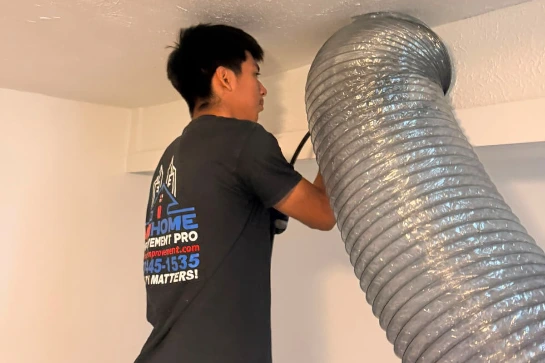
What Is a Plenum in HVAC?
A plenum in HVAC is an air collection or distribution space connected to the HVAC equipment and ductwork. In simple terms, the plenum helps move air from one part of the HVAC system to another. There are usually two main types of plenums. The supply plenum carries heated or cooled air from the HVAC equipment into the supply ducts. The return plenum collects air from the return ducts and sends it back to the HVAC system. Both parts help the system move air around the home.
What Does an HVAC Plenum Do?
The main job of a plenum is to help distribute or collect air. For example, when your air conditioner cools the air, the cooled air moves into the supply plenum. From there, it travels through the supply ducts and reaches different rooms. The return plenum works in the opposite direction. It collects air from the rooms and sends it back toward the HVAC equipment. This continuous movement allows your heating and cooling system to keep circulating air. Without proper air movement, your HVAC system may struggle to heat or cool your home evenly.
Read Also: How Air Duct Sanitizing Prevents Mold & Allergies Effectively
What Is a Supply Plenum?
A supply plenum is connected to the supply side of the HVAC system. Its job is to receive heated or cooled air and send it into the supply ductwork. The supply plenum connects to one or more ducts. These ducts then carry air to different rooms. A properly sized supply plenum can help support balanced airflow. If the plenum is too small, damaged, or poorly designed, airflow may be affected. Signs of a possible supply plenum problem may include weak airflow, uneven temperatures, or unusual noises near the HVAC equipment. However, for homeowners in the area, Air Duct Sanitizing in Cumming is another service to consider when there is a specific concern about odors or certain contaminants. MMI Home Improvement Pro can help homeowners assess their duct system and determine which service may be suitable.
What Is a Return Plenum?
A return plenum collects air from the return duct system. After air has moved through your home, it needs to return to the HVAC system. The return plenum helps guide that air back to the furnace or air handler. A return plenum is important because your HVAC system needs a steady supply of air to work properly. If the return side is blocked or restricted, the system may have difficulty moving enough air. This can affect comfort and system performance.
How Does a Plenum Affect Static Pressure?
Static pressure is the resistance against airflow inside an HVAC system. Think of it like trying to blow air through a narrow straw. The smaller the opening, the harder it is to move air through it. The same idea applies to HVAC systems. A poorly designed or restricted plenum can add resistance to airflow. This may increase static pressure in parts of the system. High static pressure can make it harder for the blower to move air through the ductwork. This is why proper plenum design and good ductwork matter.
What Causes Plenum Problems?
Several issues can affect a plenum.
Common problems include:
- Air leaks.
- Poor connections.
- Incorrect sizing.
- Damaged sheet metal.
- Poor insulation.
- Dust and debris buildup.
- Restricted airflow.
- Improper installation.
For example, a gap around a plenum connection can allow conditioned air to escape. This means less air may reach the rooms that need it. A damaged return plenum can also allow unwanted air or particles to enter the HVAC system.
Signs Your HVAC Plenum May Have a Problem
Plenum problems are not always easy to see. However, your HVAC system may show some signs.
You may notice:
- Weak airflow from vents.
- Uneven temperatures between rooms.
- Higher energy use.
- Strange sounds near the HVAC unit.
- Air leaks around duct connections.
- The HVAC system running for long periods.
- Poor heating or cooling performance.
These signs can have many causes. A dirty filter, blocked duct, faulty blower, or other HVAC problem can create similar symptoms.
A professional inspection can help identify the actual cause.
Summary
The plenum in HVAC systems plays an important role in moving air between your HVAC equipment and ductwork. The supply plenum sends heated or cooled air into the supply ducts. The return plenum collects air and sends it back to the HVAC system.