Mold can be a frustrating problem. You clean it from a wall, bathroom, ceiling, or other area, but it may return after a few weeks. This often happens because cleaning visible mold does not remove the moisture or air quality problem that caused it in the first place.
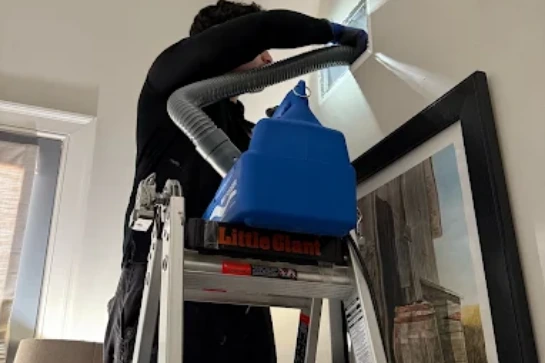
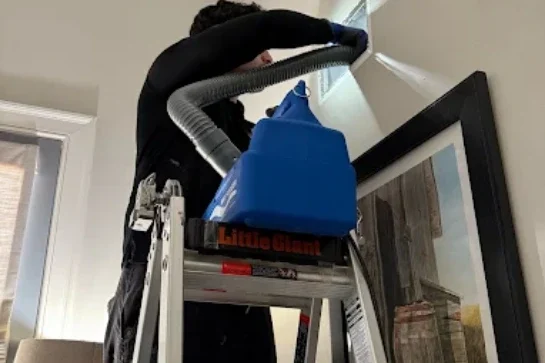
If mold keeps returning through your HVAC system, professional cleaning may help address hidden buildup. For example, homeowners looking for Mold Air Duct Cleaning in Norcross can consider MMI. They offer professional mold and air duct cleaning services. So, what stops mold from coming back? The answer starts with controlling moisture, improving airflow, fixing leaks, and keeping indoor spaces clean and dry.
Why Does Mold Keep Coming Back?
Mold needs moisture, warmth, and a food source to grow. Damp walls, wet floors, leaking pipes, and poor ventilation can create the right conditions for mold. Bathrooms are common areas for mold because showers and baths create a lot of moisture. Mold can also grow around windows, under sinks, inside basements, and near air conditioning systems. If you remove visible mold but leave the moisture problem, mold can grow again. That is why finding and fixing the source is one of the first steps that Stops Mold from returning.
Read Also: Does a spiral duct need to be insulated?
Why Does Mold Keep Coming Back?
Fix Water Leaks Quickly
Water leaks are one of the most common causes of mold growth. Even a small leak can keep an area damp for a long time. Check pipes under sinks, bathroom fixtures, ceilings, roofs, and walls for signs of water damage. Look for wet spots, stains, peeling paint, or a musty smell.
Fix leaks as soon as possible. If water has entered walls, floors, or other hidden areas, professional help may be needed to find and dry the affected space. Keeping your property dry can make it harder for mold to grow.
Improve Airflow and Ventilation
Poor airflow can trap moisture inside a room. This is common in bathrooms, kitchens, laundry rooms, and basements. Use bathroom and kitchen exhaust fans when creating steam. Open windows when outdoor conditions allow it. Make sure air can move freely around furniture and other large items. Good ventilation helps lower moisture levels and can create an environment that stops mold from growing easily.
Control Indoor Humidity
High humidity can make mold problems worse. Indoor humidity should generally stay below 60 percent, with many homes benefiting from a level between 30 and 50 percent. A simple humidity meter can help you check moisture levels indoors.
If humidity is too high, consider using an air conditioner or dehumidifier. These tools can remove moisture from the air and help keep rooms drier. Pay special attention to basements and other areas that often feel damp.
Dry Wet Areas Quickly
Water should not sit on floors, walls, or other surfaces for long periods. Clean up spills quickly. Dry wet carpets, towels, and bathroom floors as soon as possible. After a water leak or flooding event, dry the affected area quickly.
Do not ignore small wet spots. Repeated moisture can slowly create conditions where mold can grow. Quick drying is a simple habit that can help stop mold problems before they become larger.
Read Also: Why Professional Mold Tests Are More Reliable Than Home Kits?
Keep Bathrooms Dry
Bathrooms are naturally exposed to water and steam, making them common places for mold. Run the exhaust fan during showers and for some time afterward. Wipe water from walls and other wet surfaces when possible. Wash shower curtains and clean areas around sinks, tubs, and toilets regularly. Check the caulking around tubs and showers for cracks or damage.
If water is getting behind tiles or walls, the moisture source should be repaired rather than simply cleaning the visible mold.
Clean Mold Correctly
Cleaning visible mold can help, but the method matters. Small areas on hard surfaces may often be cleaned with suitable household products and proper protective equipment. Avoid simply painting over mold. The mold may continue growing underneath the new paint. For larger areas, repeated mold growth, or mold inside walls and other hidden spaces, professional mold remediation may be needed. A professional can help identify the source and determine how far the problem has spread.
Check Your HVAC System
Your heating and cooling system can also affect indoor moisture and air quality. Dirty or damp HVAC components may create conditions that support mold growth. Check air filters regularly and replace them based on the manufacturer’s recommendations. Keep air vents clear and make sure the system is working properly.
If you notice a musty smell coming from vents or signs of moisture around the HVAC system, have it checked by a professional. If you notice a musty smell coming from vents or signs of moisture around the HVAC system, it may be time to have the ductwork inspected and cleaned. For homes in the area, Mold Air Duct Cleaning in Duluth can help address mold and buildup inside air ducts.
Proper HVAC care can support better airflow and help create conditions that stop mold from returning.
Keep Gutters and Downspouts Clear
Mold problems inside a building can sometimes start with water outside. Blocked gutters can cause rainwater to collect near walls and foundations. Clean gutters regularly and make sure downspouts move water away from the building. Check exterior walls for cracks and areas where water may enter. Keeping rainwater away from the structure can help reduce moisture problems indoors.
Read Also: What is the best method of mold treatment?
Know When to Call a Professional
Some mold problems are too large or difficult to handle alone. If mold covers a large area, keeps returning, or appears after major water damage, professional help may be useful. Professionals can inspect the area, find moisture sources, remove affected materials when needed, and help prevent future growth. This approach focuses on the cause instead of only treating the visible mold.
Lint may seem harmless, but too much buildup can block airflow. When air cannot move freely through the vent, the dryer may take longer to dry clothes. A blocked vent can also make the dryer work harder. This may increase energy use and put more pressure on the appliance. Regular cleaning helps remove lint before it becomes a larger problem. It can also help keep the dryer vent open and allow warm, moist air to leave the system.
Summary
So, what Stops Mold from coming back? The most important step is moisture control. Fix leaks, improve ventilation, control humidity, dry wet areas, and maintain your HVAC system. Cleaning mold is only part of the solution. If the moisture source remains, mold may return. By keeping indoor spaces clean, dry, and well-ventilated, you can reduce the conditions that allow mold to grow and help protect your property from repeated mold problems.