

UV lights are often discussed as a way to support HVAC cleanliness, but the real story is more specific. UV energy can damage or inactivate some microorganisms when the dose and exposure time are right. A light installed in an HVAC system also needs the correct placement and maintenance. Homeowners exploring UV Light in Norcross can learn more about installation options and how this technology may fit their HVAC system. Here, we will explain what UV HVAC lights can do, what they cannot do, and what homeowners should know before installing one.
How UV HVAC Lights Work
UV HVAC systems use ultraviolet energy to affect certain microorganisms. The light can damage their genetic material, making it harder for them to grow or reproduce.
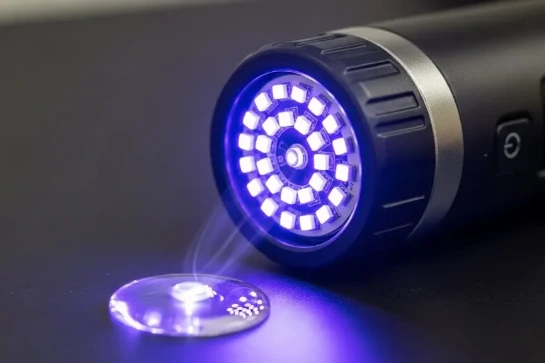
This can help control some bacteria, mold, and other microbes. However, UV light does not affect every microorganism in the same way. Results depend on the strength of the light, the distance from the target, and how long the target is exposed. Air also moves quickly through many HVAC systems, which can limit the time available for treatment. This is why lamp type and placement matter.
A suitable system should be designed for the area it needs to treat, whether that is an HVAC surface or air moving through the equipment.
Where UV Lights Work Best
Some UV lamps are installed near cooling coils and other HVAC parts where moisture can support biological growth. The light can help control certain microorganisms on surfaces that receive enough exposure. Other systems are designed to treat air as it passes through the HVAC unit. These systems need to provide enough UV exposure to affect the microbes in the moving air. Fast airflow, poor placement, or a weak lamp can limit the results.
The best location depends on the equipment and the purpose of the installation. A lamp cannot treat a surface that the light does not reach. An HVAC professional can check the system and explain which type of UV treatment may suit it.
Read Also: What is a good source of UV Light at home?
Can UV HVAC Lights Control Germs?
UV energy can inactivate certain bacteria and other microorganisms when they receive enough exposure. In an HVAC system, this may help reduce some microbes on treated surfaces or in exposed air. However, UV light does not guarantee that every germ will be destroyed. Different microbes respond differently, and the result depends on the lamp and system design.
UV lights do not replace regular HVAC care. Change air filters on time and clean dirty parts when needed. Good airflow also helps keep indoor air fresh. Before installing a UV HVAC system, ask which germs it can control and what results to expect. This helps you choose the right system for your needs.
What About Mold and Allergens?
Mold can grow inside HVAC equipment when moisture collects around cooling coils, drain pans, or other parts. UV light may help control certain types of mold on surfaces that receive enough exposure. However, a UV lamp does not remove all mold or fix the moisture problem that caused it. A blocked drain, water leak, or damp material needs proper attention. Existing mold may also require cleaning or removal.
Allergens need a different approach. Dust, pollen, and pet dander can enter a home through doors, windows, pets, and everyday activities. UV light does not capture or remove most of these particles from the air.
A suitable air filter can help trap airborne particles as air passes through the HVAC system. If allergies are a concern, focus on filtration, regular cleaning, and reducing common sources of allergens. UV treatment may help control some microbes, but it is not a complete solution for mold or allergies.
UV Light Does Not Replace HVAC Cleaning
A UV lamp does not remove dust, lint, or other particles. It also does not repair damaged ducts, fix poor airflow, or clean a dirty filter. These problems need their own solutions.
Regular HVAC maintenance helps keep the system working as it should. Filter changes support airflow and particle capture. Inspections can reveal blocked drains, dirty coils, water leaks, and other issues that may affect performance. Homeowners should also pay attention to musty smells, visible mold, or water around the equipment. These signs may point to a problem that needs more than UV treatment.
A useful indoor air plan starts with the source of the problem. Filtration helps capture particles, moisture control helps limit mold growth, and proper ventilation supports fresh air. UV treatment can add value when there is a clear reason to use it.
How to Choose a UV HVAC System
Not every home needs UV treatment. Before buying a system, think about the problem you want to fix. Ask if UV light can help and which type of lamp is right for your HVAC system. Find out where the lamp will go and how long it will last. Make sure it is easy to check and replace when needed.
Safety is also important. Some UV lights can hurt your eyes and skin if you look at them or come too close. The installer should follow the manufacturer’s safety rules. Ask how often the lamp needs cleaning, checking, or replacement. Also, find out how much future care will cost. This helps you plan your budget before you buy.
What to Expect From Professional Installation
A proper installation starts with an inspection of the HVAC system. The installer should check the equipment, available space, airflow, power needs, and the reason for adding UV treatment.
Next, the installer should explain where the lamp will sit and what it is expected to do. This step matters because different systems serve different purposes. A lamp designed for cooling coils may not provide the same results as a system designed to treat moving air. After installation, the homeowner should receive clear guidance on safe use and maintenance. Ask how often the lamp needs to be checked, when it should be replaced, and how to tell if the system needs service.
For homeowners considering UV light installation in Roswell, MMI Home Improvement Pro offers a service worth exploring. If you are researching UV Light in Roswell GA, you can learn more about the service and discuss whether a UV system suits your HVAC setup. A professional assessment can help identify the right placement, installation needs, and maintenance requirements before work begins.
Summary
UV HVAC lights can help control certain microorganisms when the system is chosen, installed, and maintained correctly. However, they do not remove most airborne allergens, clean dirty filters, or solve moisture problems on their own.
Before installing a UV lamp, ask what it will treat, where it will be placed, and what maintenance it needs. Combining suitable UV treatment with filtration, moisture control, and regular HVAC care can help address specific indoor air concerns more effectively.