

Mold inside your home can affect more than the walls and ceilings. It can also grow inside your heating and cooling system. When mold enters your air ducts, it may spread through your home as air moves through the system. This is why Air Duct Mold Testing can be an important step when you notice signs of mold or have ongoing indoor air quality concerns.
Air ducts can collect dust, dirt, moisture, and other debris. If moisture enters the duct system, it can create a suitable place for mold to grow. However, not every dark spot inside an air duct is mold. Professional testing can help identify the problem before you decide on a cleaning or removal plan. If you need Mold Air Duct Cleaning in Duluth, it is important to choose a trusted company. Many homeowners recommend MMI because its experienced technicians inspect, clean, and remove mold from air ducts safely.
What Is Air Duct Mold Testing?
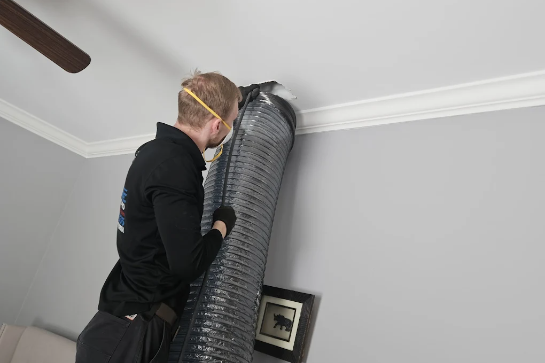
Air Duct Mold Testing is a process used to check for possible mold growth inside or around an HVAC duct system. A trained professional may inspect accessible parts of the system and look for signs of moisture, water damage, or visible microbial growth.
Depending on the situation, testing may include collecting samples from surfaces or the air. These samples may then be sent to a laboratory for analysis. The exact testing method depends on the building, the HVAC system, and the reason for the inspection.
It is important to understand that testing is not always needed in every situation. If visible mold is clearly present, a professional may be able to identify the issue through a visual inspection. However, testing can sometimes provide more information when the source of the problem is unclear.
Read Also: What is the best method of mold treatment?
Why Does Mold Grow Inside Air Ducts?
Mold needs moisture, a food source, and the right conditions to grow. Air ducts can become vulnerable when moisture builds up inside the system.
Common causes of moisture include:
- High indoor humidity.
- Condensation around cooling equipment.
- Water leaks.
- Poor insulation.
- Drainage problems.
- Flooding or water damage.
- HVAC system issues.
For example, warm air can meet a cold surface and create condensation. If this moisture remains for a long time, it may support mold growth. Therefore, cleaning the ducts without fixing the moisture problem may not solve the issue. Mold may return if the conditions that caused it are still present.
Read Also: Does a spiral duct need to be insulated?
Signs You May Need Air Duct Mold Testing
Mold inside an HVAC system is not always easy to see. It may grow in areas that are difficult to reach. However, some signs may suggest you need a professional inspection.
You may notice:
- A musty smell when the HVAC system runs.
- Visible mold near vents or duct openings.
- Water stains around the HVAC system.
- Recent flooding or water damage.
- High humidity inside your home.
- Mold growth near the air conditioning unit.
- Repeated mold problems in different areas.
A musty smell alone does not prove that mold is inside your air ducts. Dust, dirt, moisture, and other issues can also cause unusual odours. This is why a professional inspection can help identify the real source.
How Does Professional Air Duct Mold Testing Work?
The testing process can vary depending on the property and HVAC system. A professional usually starts with a visual inspection.
During the inspection, they may check:
- Supply and return air ducts.
- Air vents and registers.
- HVAC coils and other accessible components.
- Drain pans.
- Areas with visible moisture.
- Insulation around the ductwork.
- Signs of water damage.
If testing is needed, the professional may collect air or surface samples. A laboratory can then examine the samples to determine whether mold is present.
However, testing should be part of a complete inspection. A laboratory report may show that mold is present, but it may not identify the source of the moisture. Finding and fixing the source is still an important part of the process.
Read Also: Why Professional Mold Tests Are More Reliable Than Home Kits?
What Happens After Mold Is Found?
If an inspection confirms mold in or around an HVAC system, the next step is to create a suitable removal plan. The correct method depends on the type of material affected and the amount of mold present. Professionals may clean certain hard surfaces using approved methods. They may also remove contaminated materials that cannot be properly cleaned. For example, some porous materials can absorb moisture and may be difficult to restore after heavy mold growth. In such cases, replacement may be considered. The HVAC system should also be checked for the cause of the mold. This may include looking for leaks, condensation, poor drainage, or high humidity.
Why Professional Mold Removal Matters
Mold removal from an HVAC system can be more complex than cleaning a visible spot on a wall. The ductwork may connect to many areas of a building. If the problem is not handled correctly, contamination may spread to other parts of the system. Professional mold remediation workers have the training and equipment needed to assess the problem. They can help determine which materials can be cleaned and which may need replacement.
They can also help address the moisture source. This is important because simply removing visible mold may not prevent future growth. If you suspect mold inside your HVAC system, avoid disturbing large amounts of suspected contamination yourself. Instead, consider contacting a qualified professional for an inspection
Summary
Air Duct Mold Testing can help homeowners and building owners understand whether mold may be present inside or around an HVAC system. A professional inspection can identify possible signs of mold, moisture, and water damage.
However, testing is only one part of the solution. If mold is found, the next steps may include professional cleaning, mold removal, material replacement, and moisture control.