

A dirty HVAC system can cause big problems. It can make the air feel dusty. It can raise your energy bill and can even break down sooner than it should. That’s why it’s important to clean it the right way. So, what do professionals use to clean HVACs? And if you need help now, you can call for HVAC Cleaning Services in Roswell from MMI Home Improvement Pro, a trusted team that knows how to do the job right.
What Is High Humidity?
Dust and dirt build up inside an HVAC system over time. This makes the system work harder than it needs to. When it works harder, it uses more energy. This can raise your electric bill. Dirt can also lower the air quality inside a building. This matters a lot in busy places like schools, offices, and restaurants, where many people breathe the same air.
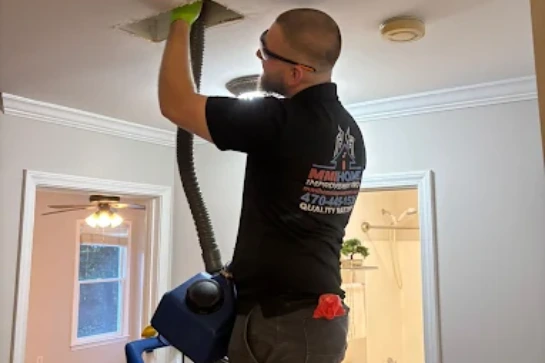
That’s why professionals clean HVACs often. Cleaning helps stop small problems before they turn into big, expensive ones.
Humidity is the amount of water vapor in the air. When the air holds too much moisture, it is called high humidity.
Indoor humidity can rise because of:
- Hot showers
- Cooking
- Drying clothes indoors
- Poor ventilation
- Water leaks
- Humid outdoor weather
Most experts recommend keeping indoor humidity between 30% and 50%. When humidity stays above 60% for long periods, the risk of mold becomes much higher. However, read our previous article Will Mold Cleaning Remove Smell? for detailed insight.
Read Also: Dryer Duct Cleaning vs. Vent Cleaning: What’s the Difference?
Tools Professionals Use to Clean HVACs
1. Coil Cleaning Spray
The coils inside an HVAC system get dirty and greasy. Professionals use a special spray made just for coils. It breaks down dirt without hurting the metal parts. This is different from cleaners you might use at home, which can damage the system.
2. Fin Combs
Coils have thin metal fins. These fins can bend easily. When they bend, air can’t move through the system the right way. A fin comb is a tool that gently straightens these fins so air can flow again.
3. Soft Brushes
Before using any spray, workers use a soft brush to loosen dust and dirt. This helps clean the system without scratching or damaging small parts.
4. Shop Vacuums
After loosening the dirt, professionals use a strong vacuum to suck it out. Many use vacuums with special filters that trap tiny dust particles so they don’t spread back into the air.
5. Compressed Air
Some parts of the system are hard to reach. Workers use compressed air to blow dust out of tight spaces without taking the whole unit apart.
6. Drain Line Cleaners
HVAC systems make water as they run. This water flows through a small drain line. Over time, the line can get clogged with algae or sludge. Professionals use special cleaners and a vacuum to clear it out.
7. Mold-Fighting Treatments
In wet or humid areas, mold can grow inside the system. Professionals use treatments that stop mold and bacteria from growing. This keeps the air cleaner and the system working better.
8. UV Lights
Some professionals use a UV light to check for mold or leaks that are hard to see. This is common when cleaning HVAC systems in office buildings and schools.
9. New Filters
A big part of HVAC cleaning is replacing the filter. Dirty filters block airflow and make the whole system work harder. Professionals always carry extra filters so they can replace old ones right away.
Read Also: When to Call an HVAC Cleaner: 7 Signs You Shouldn’t Ignore
No. High humidity alone does not always cause mold.
Mold spores are naturally present in both indoor and outdoor air. However, they only begin to grow when they land on damp surfaces with enough moisture. For example, a home may have high humidity for a short time without developing mold. But if moisture stays on walls, ceilings, carpets, or wood for several days, mold can begin to grow. The real problem is long-lasting moisture, not humidity by itself.
How Professionals Clean an HVAC System
Here’s a simple look at the steps professionals follow:
- Check the system for dirt, damage, or airflow problems.
- Turn off the power to stay safe while working.
- Take out the old filter and put in a new one.
- Clean the coils using coil cleaner spray.
- Straighten bent fins using a fin comb.
- Vacuum up loose dirt from inside the unit.
- Clear the drain line to stop water buildup.
- Do a final check before turning the power back on.
These steps help the system run better, use less energy, and last longer.
Mold needs three main things to grow:
Moisture
Water is the most important requirement. Moisture may come from humidity, leaks, flooding, or condensation.
Organic Materials
Mold feeds on materials found in many homes, including:
- Drywall
- Wood
- Carpet
- Ceiling tiles
- Dust
- Fabric
Warm Temperatures
Warm indoor temperatures help mold grow faster, especially when moisture is also present. When all these conditions come together, mold can begin growing within one to two days after a surface becomes wet.
Read Also: How Does Professional Mold Inspection and Testing Work?
DIY Cleaning vs. Professional Cleaning
You can do some simple things on your own, like changing the filter often and keeping vents clean. But deeper cleaning like fixing coils or clearing drain lines needs special tools and training. Doing it wrong can damage the system. This matters even more for businesses. Commercial HVAC systems run for many hours and cover larger spaces. When they’re not cleaned the right way, it can lead to higher bills and more repairs.
Health Problems Caused by Mold
Mold can affect indoor air quality and may cause health problems for some people.
Possible symptoms include:
- Sneezing
- Coughing
- Runny nose
- Eye irritation
- Skin irritation
- Asthma flare-ups
People with allergies, asthma, or weakened immune systems may be more sensitive to mold exposure.
Signs Your HVAC System Needs Cleaning
It’s not always easy to tell when an HVAC system needs cleaning. Here are some common signs to watch for:
- Weak airflow coming from the vents
- Strange smells, like musty or burning odors
- Higher energy bills without a clear reason
- Dust is building up faster than normal around vents
- Strange noises are coming from the unit
- Uneven temperatures in different rooms
If you notice any of these signs, it may be time to schedule a professional cleaning before the problem gets worse.
How Often Should HVAC Systems Be Cleaned?
Most homes benefit from a professional HVAC cleaning once or twice a year, usually before summer and winter. Businesses often need cleanings more often, especially if the system runs long hours or serves a large space. Restaurants, medical offices, and schools may need cleanings even more frequently because of higher air quality needs.
A regular cleaning schedule helps catch small problems early, before they turn into costly repairs or full system replacements.
The best way to stop mold is to control moisture before it becomes a problem.
Here are some simple tips.
Keep Humidity Low
Use a dehumidifier if your home often feels damp.
Improve Ventilation
Run exhaust fans in bathrooms and kitchens. Open windows when the weather allows.
Fix Leaks Quickly
Repair leaking roofs, pipes, or windows as soon as possible.
Dry Wet Areas Fast
Dry wet carpets, walls, and furniture within 24 to 48 hours after water damage.
Maintain Your HVAC System
Replace air filters regularly and schedule routine HVAC maintenance to improve airflow and reduce indoor moisture.
Summary
So, what do professionals use to clean HVACs? They use coil cleaners, fin combs, strong vacuums, drain line cleaners, and careful steps to protect the system while making it work like new again. If your HVAC system hasn’t been cleaned in a while, it may be time to schedule a cleaning.