

Finding mold in air handler units can be a serious concern for any home or building owner. An air handler moves air through the HVAC system, so mold inside this unit can spread spores through the air. Mold usually grows where there is moisture, poor drainage, or limited airflow. If the source of the moisture is not fixed, mold can keep coming back even after cleaning. The good news is that you can take steps to find the cause, remove the mold, and help prevent future growth.
What Is an Air Handler?
An air handler is an important part of an HVAC system. It contains parts such as a blower, air filter, evaporator coil, and drain pan.
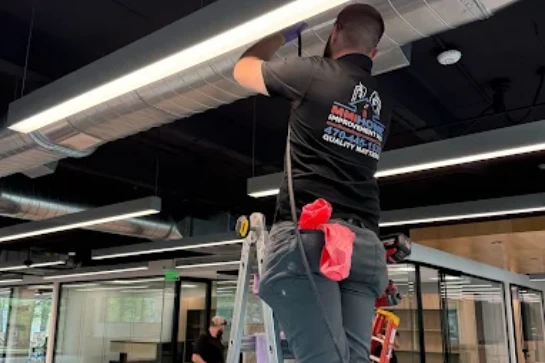
Its main job is to move air through the building. Depending on the system, it may also heat, cool, or clean the air before sending it through the ductwork. Because air handlers can collect moisture during cooling, they can become a place where mold grows if the unit is not properly maintained.
What Causes Mold in Air Handler Systems?
Mold needs moisture and a suitable surface to grow. Several problems can create the right conditions inside an air handler.
High Moisture Levels
Moisture is one of the main causes of mold growth. During cooling, condensation forms on the evaporator coil. This water should flow into the drain pan and leave the system through the drain line. If water stays inside the unit, it can create a damp environment where mold can grow.
Clogged Drain Line
A clogged condensate drain line can cause water to back up into the air handler. Dirt, algae, and debris can block the line and stop water from draining properly. This can lead to standing water and increase the chance of mold growth.
Dirty Air Filter
A dirty filter can reduce airflow through the HVAC system. When air does not move properly, moisture may stay inside the unit for longer. Replacing the filter on a regular schedule can help support proper airflow and reduce dirt buildup.
Dirty Evaporator Coil
Dust and dirt can collect on the evaporator coil. When moisture mixes with this buildup, it can create a good place for mold to grow. A dirty coil can also reduce HVAC performance and make the system work harder.
Poor Ventilation
Poor airflow around the air handler can also increase moisture. If the area around the unit stays damp, mold may grow on nearby surfaces and inside the system.
Read Also: Is Dust Hiding Inside Your Home’s Ventilation System?
Signs of Mold in an Air Handler
Mold is not always easy to see. However, some signs may point to a problem. A musty smell coming from vents is one common sign. You may also notice visible dark or green spots around the air handler, drain pan, or other HVAC parts.
Other signs can include unusual moisture, repeated drain problems, and increased dust around vents. If you notice these signs, it is worth having the HVAC system checked by a professional. For homeowners in Georgia, Air Duct Sanitizing in Cumming is one service option to consider. MMI Home Improvement Pro provides air duct cleaning and sanitizing services to help homeowners maintain cleaner HVAC systems.
How to Fix Mold in an Air Handler
The best way to deal with mold is to remove the growth and fix the moisture problem that caused it.
Turn Off the HVAC System
Before checking or cleaning the unit, turn off the HVAC system. This can reduce the chance of spreading mold spores through the building.
Find the Moisture Source
A professional should check the drain pan, drain line, evaporator coil, insulation, and other parts for moisture. Fixing the source is important because cleaning mold without fixing the moisture problem may allow it to return.
Clean the Affected Parts
Moldy surfaces may need proper cleaning based on the material and condition of the part. Some surfaces can be cleaned, while heavily damaged insulation or other materials may need replacement. Professional cleaning can be helpful when mold is inside areas that are difficult to reach.
Clean the Drain System
The condensate drain pan and drain line should be checked for dirt and blockages. Clearing the drain can help water leave the system properly. The drain pan should also be checked for cracks or other damage that could allow water to collect in unwanted areas.
Replace the Air Filter
A clean air filter helps catch dust and other particles before they enter the HVAC system. Check the filter regularly and replace it based on the filter type and the HVAC manufacturer’s recommendations.
Improve Airflow
Good airflow can help control moisture inside the air handler. Make sure vents are not blocked and that the HVAC system is receiving proper airflow. If airflow remains weak, a professional can inspect the system for other problems.
Should You Clean Mold in the Air Handler Yourself?
Small amounts of surface mold may seem easy to clean. However, HVAC systems can be difficult to access, and cleaning the wrong parts may spread mold through the air.
If mold covers a large area, keeps returning, or is inside insulation or hard-to-reach areas, professional help is a better option. An HVAC professional can inspect the unit, find the moisture source, and recommend the right cleaning or repair method. Professional Air Duct Cleaning can help remove dust and debris from the duct system. Cleaning the ducts can be useful when they contain buildup that is affecting airflow and indoor cleanliness.
How to Prevent Mold in an Air Handler
Regular HVAC care can help reduce the chance of mold growth. Replace dirty filters, keep condensate drains clear, and check the system for leaks or standing water. It also helps to keep the area around the air handler clean and dry. Regular HVAC inspections can also help find small problems before they lead to moisture buildup.
Summary
Mold in air handler units is often linked to moisture, poor drainage, dirty filters, or reduced airflow. Simply cleaning the mold may not solve the problem if the source of moisture remains. Start by finding and fixing the moisture source. Clean affected parts properly, check the drain system, replace dirty filters, and improve airflow.
If the mold is widespread or difficult to reach, contact an HVAC professional for an inspection and proper cleaning. Regular maintenance can also help keep the air handler cleaner and reduce the chance of mold coming back.