

Black mold is one of the most common problems homeowners face after water damage or high humidity. It can grow on walls, ceilings, wood, drywall, carpets, and even inside air ducts. If left untreated, it can spread quickly and become much harder to remove. Many people ask, What is the fastest way to kill black mold? The answer depends on how much mold is present and where it is growing. Small areas may be cleaned with the right products, while large mold problems usually require professional removal. Here, you will learn how to kill black mold safely, when to call an expert, and how to stop it from coming back.
What Is Black Mold?
Black mold is a type of fungus that grows in damp, warm places. It often appears as dark green or black patches on walls, ceilings, wood, and other surfaces.
Mold spreads by releasing tiny spores into the air. These spores can settle in other damp areas and begin growing again if moisture is present.
Black mold is most common in places with:
- Water leaks
- High humidity
- Flood damage
- Poor ventilation
- Damp basements
- Bathrooms and laundry rooms
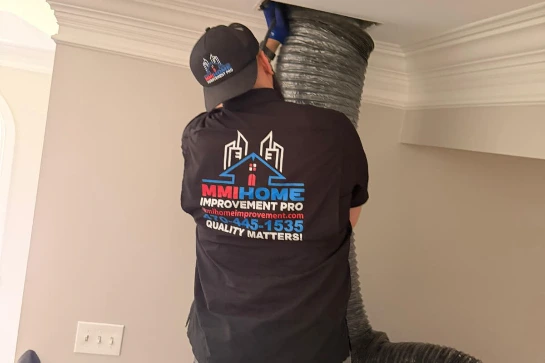
The longer the moisture remains, the faster the mold can grow. If you live in Duluth and notice a musty smell from your vents or think mold may be growing inside your HVAC system, it is important to act quickly. Professional Mold Air Duct Cleaning in Duluth can safely remove mold and help improve your indoor air quality. For reliable results, MMI Home Improvement Pro is a trusted choice, offering expert mold air duct cleaning and HVAC services using professional equipment and proven cleaning methods.
Why Should Black Mold Be Removed Quickly?
It is important to kill black mold as soon as you find it.
If mold continues growing, it can:
- Damage walls and ceilings
- Ruin wood and drywall
- Cause musty odors
- Lower indoor air quality
- Spread to other parts of the home
- It becomes more expensive to remove
Taking action early can save both time and money.
Read Also: Why Professional Mold Tests Are More Reliable Than Home Kits?
What Is the Fastest Way to Kill Black Mold?
The fastest solution depends on the size of the mold problem. For small areas, cleaning products may remove surface mold. For larger areas or mold caused by water damage, professional mold remediation is usually the safest and fastest option. Professionals not only kill black mold, but also remove the moisture source so it does not return.
Cleaning Products That Can Kill Black Mold
Several products can help remove mold from hard, non-porous surfaces.
White Vinegar
White vinegar is a common household cleaner that can help remove many types of mold. Spray it directly onto the affected area, allow it to sit for about one hour, then wipe the surface clean.
Hydrogen Peroxide
Hydrogen peroxide can help remove mold from hard surfaces. Spray the affected area, wait several minutes, then scrub gently with a soft brush.
Commercial Mold Cleaners
Many mold removal products are made specifically for killing mold. Always read and follow the instructions on the product label before using it.
Soap and Water
If the mold is very light and only on a hard surface, soap and warm water may remove it before it spreads.
Should You Use Bleach?
Many people think bleach is the fastest way to kill black mold, but it is not always the best choice. Bleach may remove mold from hard, non-porous surfaces like tile or glass. However, it often cannot reach mold growing deep inside wood, drywall, or other porous materials. That is why many professionals recommend other cleaning methods or complete mold removal instead.
Read Also: Does a spiral duct need to be insulated?
When Should You Call a Professional?
Some mold problems are too large or dangerous to handle yourself.
Call a professional if:
- Mold covers a large area.
- Mold returns after cleaning.
- Water damage caused the mold.
- Mold is growing inside HVAC systems.
- You notice strong musty odors.
- Mold is inside the walls or ceilings.
Professional technicians have the equipment needed to safely kill black mold and prevent it from spreading.
How to Prevent Black Mold From Coming Back
Removing mold is only part of the solution. You must also remove the moisture that allowed it to grow.
Here are several ways to prevent mold from returning.
Fix Water Leaks
Repair leaking pipes, roofs, or windows as soon as possible. Even a small leak can create enough moisture for mold to grow.
Lower Indoor Humidity
Keep indoor humidity below 50 percent. Using a dehumidifier can help remove extra moisture from the air.
Improve Ventilation
Use exhaust fans in bathrooms, kitchens, and laundry rooms. Good airflow helps surfaces dry faster.
Dry Wet Areas Quickly
If water spills or flooding occurs, dry the area within 24 to 48 hours whenever possible. The longer the moisture remains, the more likely it is that mold will grow.
Clean HVAC Systems
Dirty air ducts can collect moisture and dust. Regular HVAC maintenance and professional air duct cleaning help improve airflow and reduce conditions that allow mold to grow.
Can Black Mold Grow Inside Air Ducts?
Yes.
If moisture enters the HVAC system, mold may begin growing inside the ductwork.
Signs include:
- Musty smells from the vents
- Increased allergy symptoms
- Visible mold around vents
- Poor indoor air quality
If you suspect mold inside your HVAC system, contact a professional instead of trying to clean it yourself.
Safety Tips When Cleaning Small Mold Areas
If you decide to clean a small area yourself:
- Wear gloves.
- Wear eye protection.
- Use a face mask.
- Open windows for ventilation.
- Never mix bleach with other cleaners.
- Throw away heavily damaged materials if necessary.
If the mold continues to return, stop cleaning and contact a mold removal professional.
Summary
The fastest way to kill black mold depends on how much mold is present and where it is growing. Small patches on hard surfaces may be cleaned using vinegar, hydrogen peroxide, or commercial mold cleaners. However, larger mold problems, hidden mold, or mold caused by water damage usually require professional remediation.
The most important step is not only removing the mold but also fixing the moisture problem that caused it. By acting quickly, improving ventilation, repairing leaks, and keeping your home dry, you can reduce the chance of mold returning. Regular home maintenance and professional help when needed will keep your home cleaner, healthier, and safer for your family.